November 23, 2026
Purchasing a home comes with plenty of responsibilities, and maintaining the trees on the property is an important part of protecting the landscape. Healthy, well-maintained trees provide shade, improve curb appeal, and contribute to a more enjoyable outdoor environment. However, new homeowners may not know when to schedule professional care or which services their trees actually need.
Developing a consistent maintenance routine with a tree service helps prevent unexpected problems and keeps outdoor spaces looking their best. Understanding seasonal considerations, recognizing warning signs, and knowing when to call a professional can make managing tree care much easier.
Understanding Your Property's Tree Care Needs
Start With a Professional Tree Assessment
Before establishing a maintenance schedule, take time to understand the condition of the trees around your new home. Previous owners may have followed a regular maintenance routine, but there is no guarantee that every tree received the attention it needed. A professional evaluation provides an opportunity to identify existing concerns and determine which services should be prioritized.
A comprehensive tree inspection can reveal structural weaknesses, damaged limbs, signs of disease, and other issues that may not be obvious from the ground. An aerial inspection can also help professionals examine upper branches and canopy conditions more closely. Scheduling this evaluation early gives homeowners a clearer picture of their property's needs and helps establish a practical plan for ongoing care.
Determine Which Services Your Trees Need
Not every tree requires the same type of maintenance. Some may benefit from routine pruning and trimming, while others need deadwood removal to eliminate branches that could fall unexpectedly. Trees with weak branch connections or split trunks may require cabling to provide additional structural support. Understanding these differences helps homeowners avoid unnecessary work while ensuring important issues receive attention.
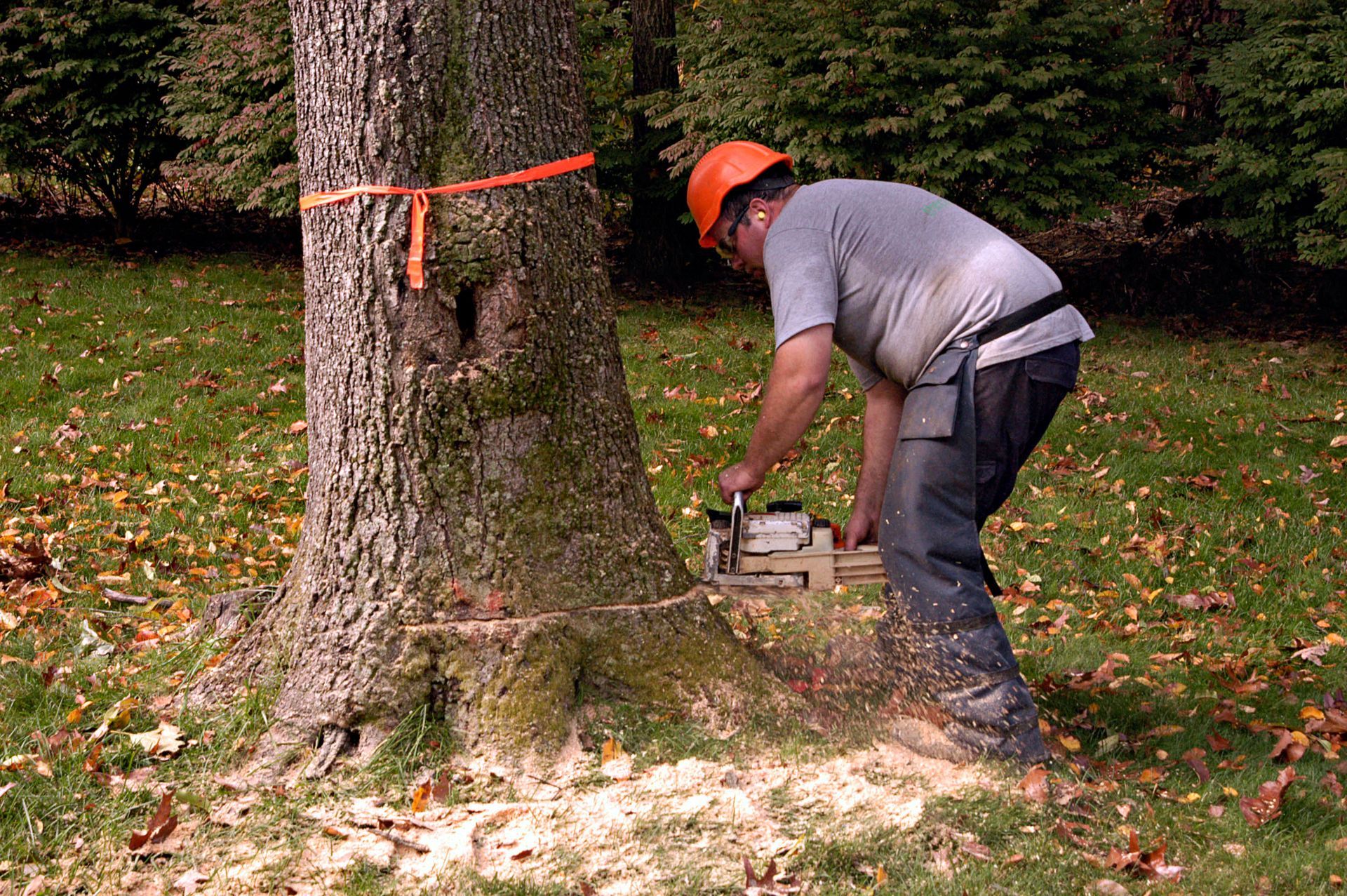
A professional tree service provider can recommend appropriate treatments based on tree species, age, condition, and location. For example, crown reduction may help manage a tree that has grown too large for its surroundings, while structural pruning can encourage stronger development in younger trees. If a tree is severely damaged, diseased, or positioned where it presents a significant safety concern, removal may be the most appropriate solution.
Establish a Maintenance History
New homeowners should also create a record of the trees on their property. Keeping track of previous inspections, completed services, and recommended follow-up appointments makes future scheduling more straightforward. A simple maintenance history can help identify recurring problems and show whether particular trees require more frequent attention than others.
Consider documenting each tree's general condition, approximate age, location, and any visible concerns. Photographs can also provide useful comparisons when evaluating changes in growth or appearance. Sharing these records with a tree care professional allows them to make more informed recommendations during subsequent visits. Over time, this information becomes a valuable resource for managing the landscape and planning maintenance expenses.
Creating a Practical Tree Service Schedule
Understand Seasonal Maintenance Opportunities
The time of year can influence which tree care services are appropriate. Late winter and early spring are often suitable periods for pruning many deciduous trees because their branches are easier to inspect before new foliage develops. Working during dormancy can also help professionals evaluate the tree's structure and identify branches that should be removed.
However, the ideal timing depends on the tree species, its condition, and the purpose of the work. Some flowering trees benefit from pruning after their seasonal blooms have faded, while certain maintenance concerns should be addressed immediately regardless of the season. A knowledgeable tree service professional can determine when specific work should take place to support healthy development.
Plan Routine Trimming and Pruning
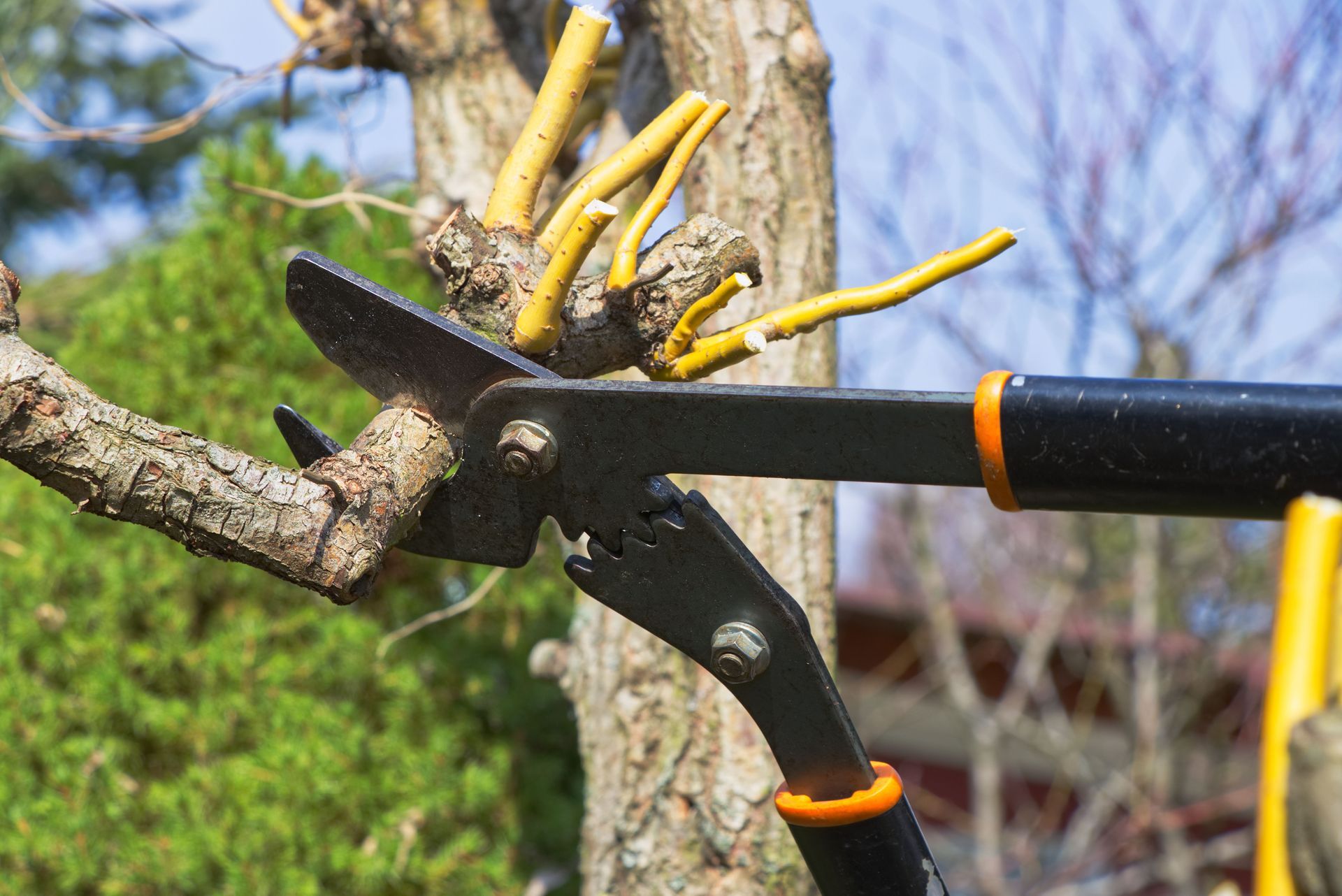
Regular pruning helps maintain a tree's structure, improve airflow, and remove dead, damaged, or diseased branches. It can also prevent excessive growth from interfering with roofs, driveways, walkways, and other parts of the property. Rather than waiting until branches become hazardous or overgrown, homeowners should establish a schedule based on the individual needs of their trees.
According to HomeAdvisor, having a tree trimmed every three to five years can help maintain healthy growth and development. This provides a useful general guideline, although some trees may require attention more frequently depending on their species, maturity, and surrounding conditions. A professional tree service provider can recommend an appropriate interval after evaluating the property.
Account for Emergency and Seasonal Services
Routine maintenance is only one part of responsible tree care. Severe weather can create unexpected situations involving broken branches, leaning trunks, or fallen trees. Homeowners should have a plan for contacting a qualified professional when urgent concerns arise, particularly when damaged trees threaten buildings, vehicles, or outdoor gathering areas.
Emergency tree service availability is especially valuable when storms occur outside normal business hours. Removing dangerous limbs, assessing compromised trees, and clearing fallen debris can help restore property safety. Homeowners in areas that experience winter weather may also want to coordinate tree maintenance with other seasonal property services, such as snow removal.
Maintaining Long-Term Tree Health and Property Safety
Recognize Signs That Require Professional Attention
Between scheduled appointments, homeowners should periodically observe the trees around their property. Changes in appearance can indicate developing problems that deserve professional evaluation. Dead branches, peeling bark, unusual leaf discoloration, visible fungal growth, and significant changes in the tree's shape may all warrant closer inspection.
Homeowners should also pay attention to branches that rub against each other, extend over structures, or hang above frequently used areas. Cracks in major limbs, exposed roots, and sudden leaning can indicate structural concerns. Although some issues may develop gradually, others can become hazardous and require attention quickly, especially following heavy rain, strong winds, or snow accumulation.
Prioritize Safety During Tree Maintenance
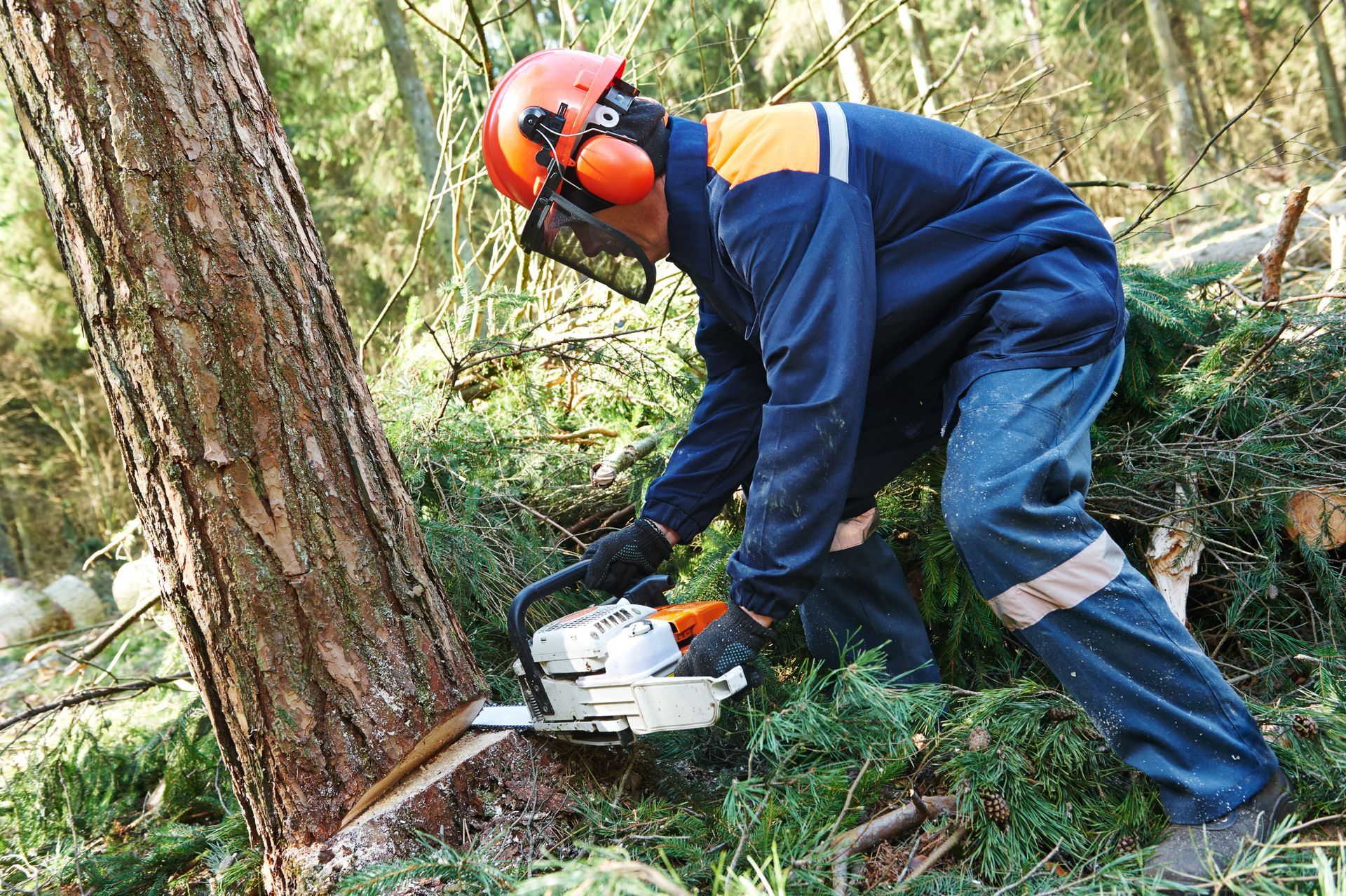
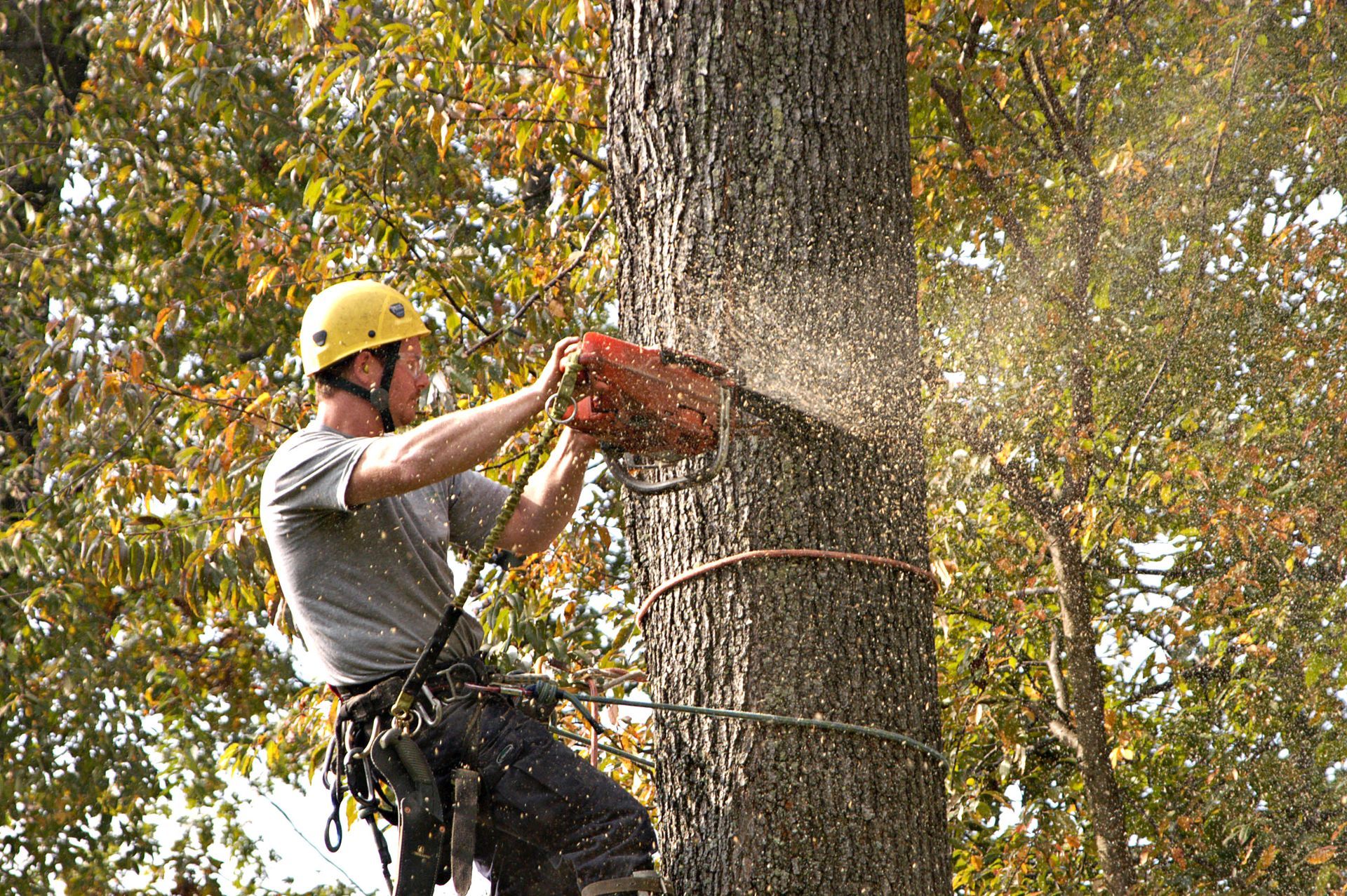
Tree maintenance involves risks that are easy to underestimate. Cutting elevated branches, operating chainsaws, and working near electrical lines require specialized knowledge, appropriate equipment, and established safety procedures. Attempting complicated work without proper training can result in serious injuries or property damage.
Homeowners should leave hazardous pruning, large-branch removal, and tree removal to trained professionals. Before scheduling a project, verify that the contractor is insured and ask about the experience of the crew performing the work. It is also helpful to discuss how equipment will access the property, how nearby landscaping and structures will be protected, and whether debris cleanup is included.
Build an Ongoing Relationship With a Tree Care Professional
Working with the same qualified provider over time can simplify property maintenance. A professional familiar with the landscape can monitor changes, recognize recurring concerns, and recommend services based on previous inspections. This ongoing relationship also makes it easier to coordinate routine appointments and address unexpected issues without starting the evaluation process from scratch.
When selecting a provider, look for relevant experience, reliable workmanship, insurance coverage, and clear estimates. Ask whether the company offers services such as aerial inspections, deadwood removal, pruning, cabling, crown reduction, and stump grinding. Having access to comprehensive care through one provider can make scheduling more convenient. Free estimates and available financing options may also help homeowners plan larger projects without overlooking important maintenance needs.
Establishing a
tree service schedule is an important responsibility for new homeowners. By arranging an initial inspection, understanding seasonal maintenance needs, monitoring warning signs, and planning routine appointments, property owners can protect their landscapes and address potential hazards before they become more serious. Consistent professional care also helps preserve tree health, maintain curb appeal, and support the long-term condition of the property. Contact Countryside Cutters LLC to discuss your property's needs and develop a maintenance schedule that works for your landscape.