May 21, 2026
New trees can be vulnerable during their initial growth stages, often struggling to compete for nutrients while adapting to unfamiliar soil conditions. Proper care, including mindful pruning, is essential for their health as it encourages the development of a strong central leader and a balanced canopy. This article guides you on nurturing new trees without falling into the common pitfall of over-pruning, which can lead to long-term structural instability. Over-pruning can stress trees, reducing their ability to photosynthesize and grow by stripping away the very foliage they need to produce energy. By understanding the unique needs of new trees and utilizing professional tree services, tree owners can foster a healthy environment for sustainable growth that lasts for generations.
Foundations of Tree Growth
Initial Year Priorities
The first year for a newly planted tree is crucial as it adjusts to its new environment. Roots begin to establish themselves in the soil, anchoring the tree and absorbing nutrients. According to the New York State Department of Environmental Conservation, it is necessary to wait to prune newly planted trees until they have been established for a year or two. During this period, the tree focuses its energy on root stabilization rather than top growth. Interfering with this process through unnecessary pruning can hinder the tree's establishment phase, making specialized tree services more appropriate for older specimens.
Tree Growth Stages
Trees, like most living organisms, have distinct growth stages that define their lifecycle. Understanding these stages can guide appropriate care and prevent premature pruning. During the juvenile phase, trees prioritize height and root expansion, essential for reaching sunlight and securing nutrients. As they mature, their growth rates slow, and they begin developing a more expansive canopy. Recognizing these phases ensures your care aligns with the tree's natural growth patterns.
Healthy Growth Indicators
A tree's health is often reflected in its physical appearance and growth characteristics. Key indicators of healthy growth include vibrant leaf color, consistent annual growth, and a lack of deadwood. Analyzing these aspects can help predict a tree's resilience and growth potential. Trees with lush, green leaves are typically photosynthesizing effectively, ensuring nutrient distribution throughout the tree. Regular incremental growth indicates a well-balanced nutrient intake and structural development.
Biological Healing Processes
Trees have a natural ability to compartmentalize wounds, which helps limit damage and promote healing. When branches are pruned, the tree forms boundaries around the wound to protect against infection and decay. The process, known as compartmentalization of decay in trees (CODIT), is critical for wound closure. Proper pruning promotes quicker healing by minimizing wound size and improving the tree's ability to seal it over time. Incorrect cuts can lead to jagged edges and larger wounds that are more susceptible to disease.
Role of Pruning in Tree Care
Health Benefits of Pruning
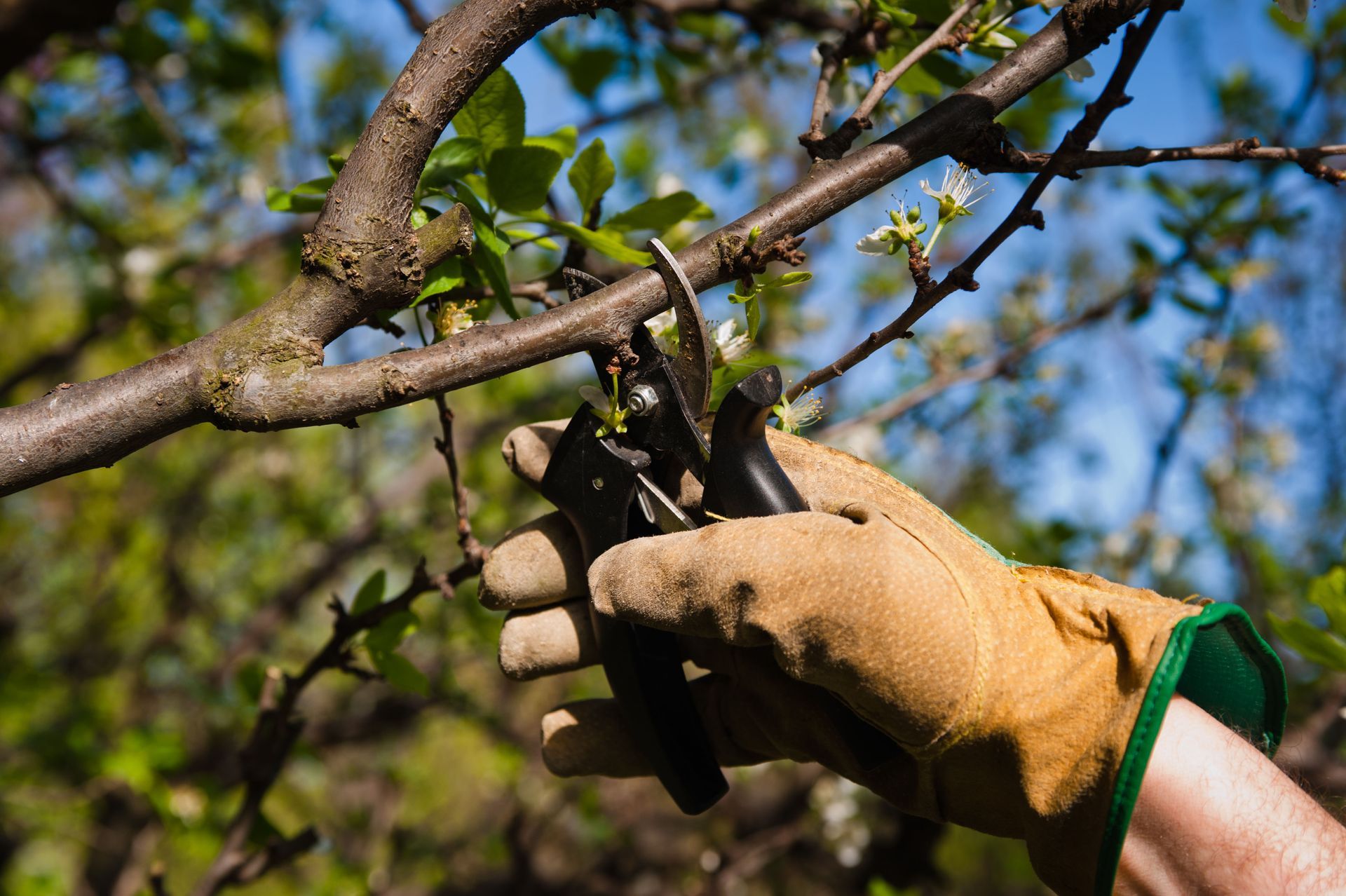
Pruning is an essential tree care practice that offers numerous benefits when done correctly. It helps remove dead or diseased branches, reducing the risk of pathogen spread throughout the tree. Encouraging the growth of strong and well-placed branches enhances the tree’s structure and stability. Thinning the canopy can also improve air circulation and sunlight penetration, promoting healthier growth. With careful application, specialized tree services support the tree’s aesthetic form while maintaining its vitality.
Optimal Pruning Windows
Selecting the appropriate time to prune is vital for reducing stress on trees and enhancing growth outcomes. Most trees benefit from pruning during their dormant phase, typically in late winter or early spring. During dormancy, energy is stored within the tree, and leafless branches reduce the risk of injury and facilitate easier access. This timing encourages a more vigorous response to pruning, leading to robust spring growth. Pruning during dormancy minimizes sap flow and deters pests and diseases.
Standard Pruning Techniques
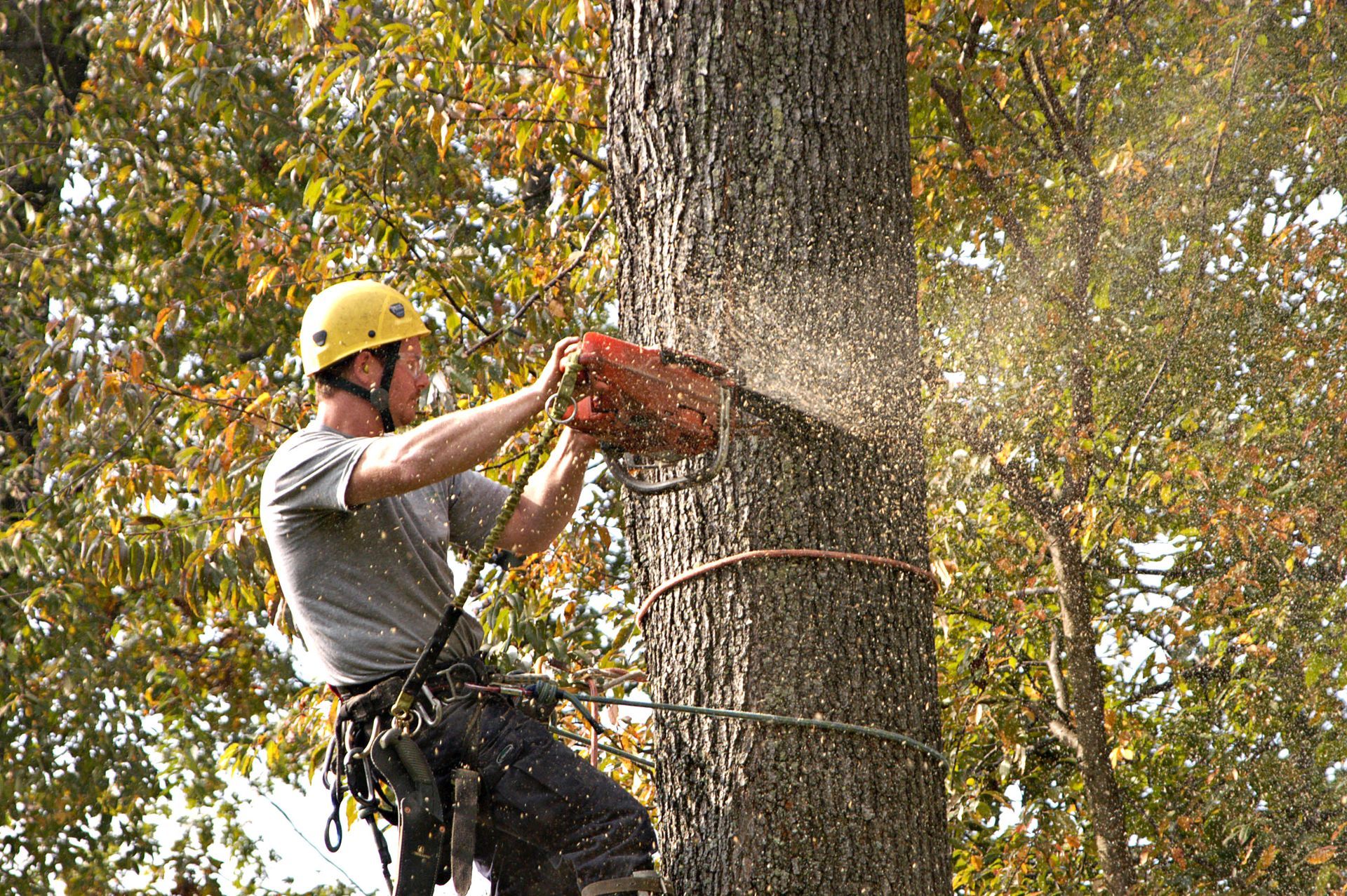
Pruning involves a variety of techniques tailored to meet specific care objectives and tree requirements. One common method is crown thinning, which removes select branches to improve light and air penetration while maintaining natural shape. Crown raising involves trimming lower branches to provide clearance for pedestrians and vehicles. Professional tree services prioritize specific goals but serve to enhance overall tree health and structure. Each approach requires understanding the tree's natural form to achieve a harmonious balance.
Common Pruning Pitfalls
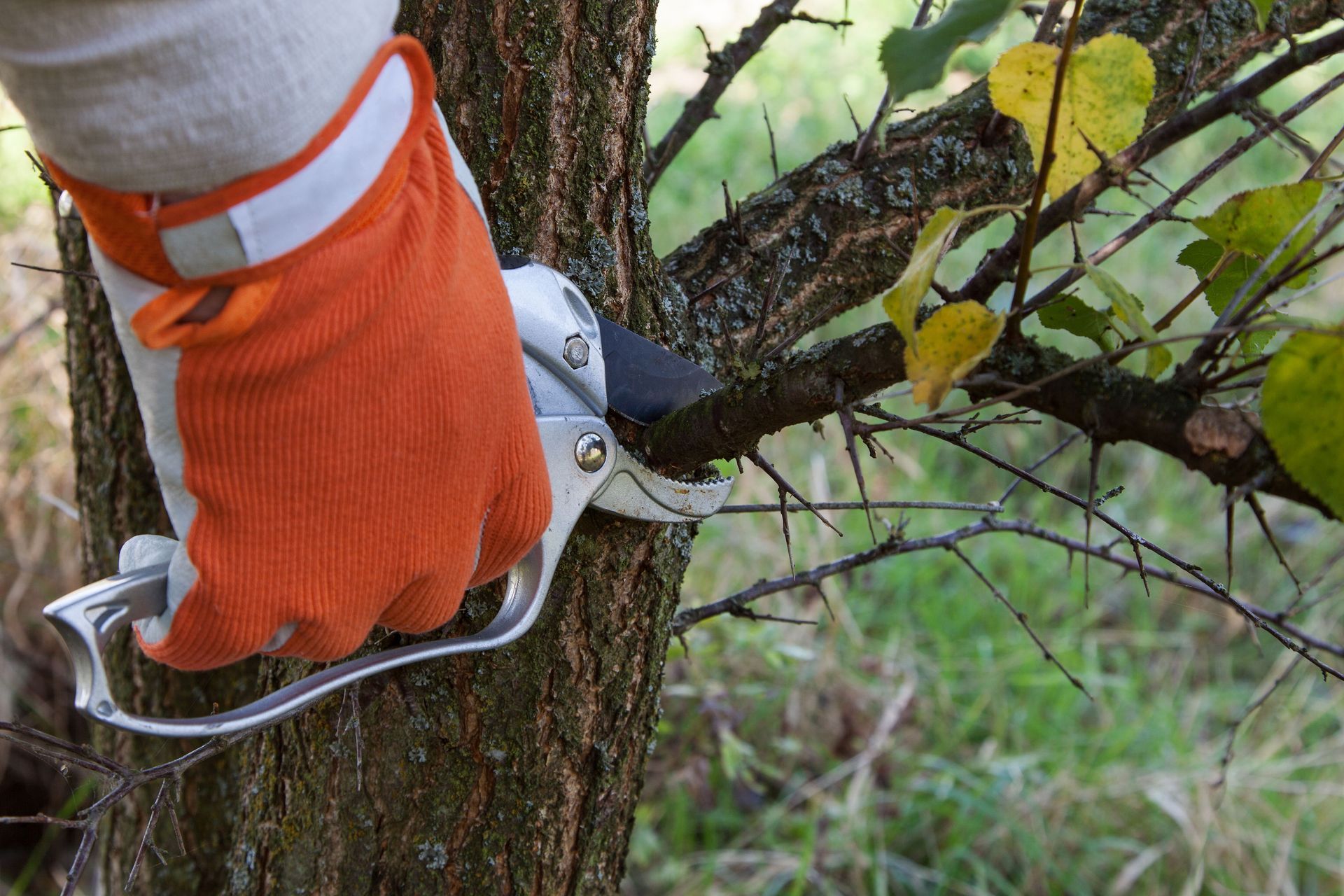
Pruning, while beneficial, can also cause harm when not performed correctly, leading to stress, damage, or even tree death. Over-pruning or "topping" is a common mistake where too many branches are removed at once, leading to shock and regrowth of weaker branches. This can undermine the tree's structural integrity and reduce its lifespan. Ensuring that cuts are made at the correct location—just outside the branch collar—promotes effective healing. Consulting with tree services can help you avoid making random cuts without a strategic plan, which can compromise the tree's health.
Guidelines for Deferred Pruning
In caring for new trees, understanding when not to prune is as important as knowing when to prune. Excessive or untimely pruning can lead to stress, weakening the tree and exposing it to disease and harsh environmental conditions. For newly planted trees, it is often best to delay pruning until they have established themselves, typically two to three years after planting. During this time, the tree is developing its roots, and pruning can redirect energy away from establishment.
Strategies for an Optimal Growth Environment
Soil Composition and Quality
Soil quality plays a fundamental role in determining a tree's health and growth potential. The soil's mineral composition, texture, and organic matter influence water retention, nutrient availability, and root growth. Ensuring favorable conditions involves regular soil assessments and amending with organic materials such as compost to enrich nutrient content. Trees require a balance of nitrogen, phosphorus, and potassium for vigorous growth, all of which can be optimized through professional tree services and soil treatments.
Effective Watering Techniques
Watering is a crucial component in nurturing tree growth, particularly for newly planted specimens. These trees require consistent moisture to establish robust root systems. Deep watering encourages roots to expand deeper into the soil, accessing water and nutrients during dry spells. A slow, steady trickle directly at the tree's base ensures thorough soaking without erosion or runoff. Regular but judicious watering supports firmness and vitality without causing waterlogged conditions.
Protective Roles of Mulch
Mulch is a vital tree care component that offers numerous environmental and health benefits. It helps conserve soil moisture by reducing evaporation and creating a stable environment for root systems. By maintaining consistent ground temperatures, mulch can mitigate stress and support tree growth. Organic mulches decompose over time, enhancing soil structure and adding vital nutrients. Consequently, a well-mulched tree enjoys a favorable foundation for vigorous, successful growth.
By prioritizing structural establishment over immediate aesthetic changes, you ensure that your new trees build the resilience necessary for a long and healthy lifespan. This patient approach prevents the permanent damage often caused by aggressive, untimely trimming. Finding the right balance between minimal intervention and strategic pruning—often with the help of professional tree services—allows for natural growth patterns to flourish without the risk of chronic shock. By fostering a nutrient-rich environment today, you are making a lasting investment in the ecological health and beauty of your property. Ultimately, an informed approach to tree care transforms a vulnerable sapling into a strong, thriving centerpiece of your landscape that will provide shade and aesthetic value for decades to come.
Contact Countryside Cutters LLC today, and your young trees will receive the expert tree services they need to thrive.