June 22, 2026
Trees are major assets to your property. They provide shade, boost curb appeal, and even lower cooling costs during hot summer months. However, owning trees requires regular maintenance to keep them healthy and safe. Homeowners often struggle to determine if a problematic tree requires a simple trim or complete extraction. Making the wrong choice can lead to unnecessary expenses or leave a safety hazard on your property.
Evaluating your property requires looking at the overall health, structure, and location of each tree. Trimming helps a plant thrive by removing dead wood and improving airflow, while tree removal is a permanent solution for a specimen that poses an immediate risk. This guide will walk you through the key indicators for both options so you can make an informed choice for your landscape.
Evaluate Overall Tree Health and Structural Integrity
The first step in making a decision is to check the trunk and canopy for signs of severe decline. A healthy tree has vibrant leaves, flexible twigs, and solid bark. If you notice large areas of bare branches during the growing season, the plant is struggling. Look closely at the main trunk for deep cracks, peeling bark, or large cavities. These symptoms suggest internal decay, which weakens the wood and increases the likelihood of a sudden collapse.
Internal decay often progresses slowly before showing external symptoms. Mushrooms or fungal growth at the base of the trunk indicate that the root system is rotting. When roots decay, the tree loses its structural anchor. In these cases, trimming will not solve the underlying weakness. Tree removal is often the only safe option when the core structure is compromised beyond recovery. Failing to address a rotted base creates an extreme hazard during high winds.
According to data from the USDA Forest Service, half of all trees planted in city environments survive for just 13 to 18 years, and over 30% die within their first five years. This statistic highlights how difficult it is for trees to thrive in developed areas where soil compaction and limited space restrict root growth. When an urban tree faces severe health decline, saving it becomes incredibly difficult.
Identify Severe Structural Defects and Storm Damage
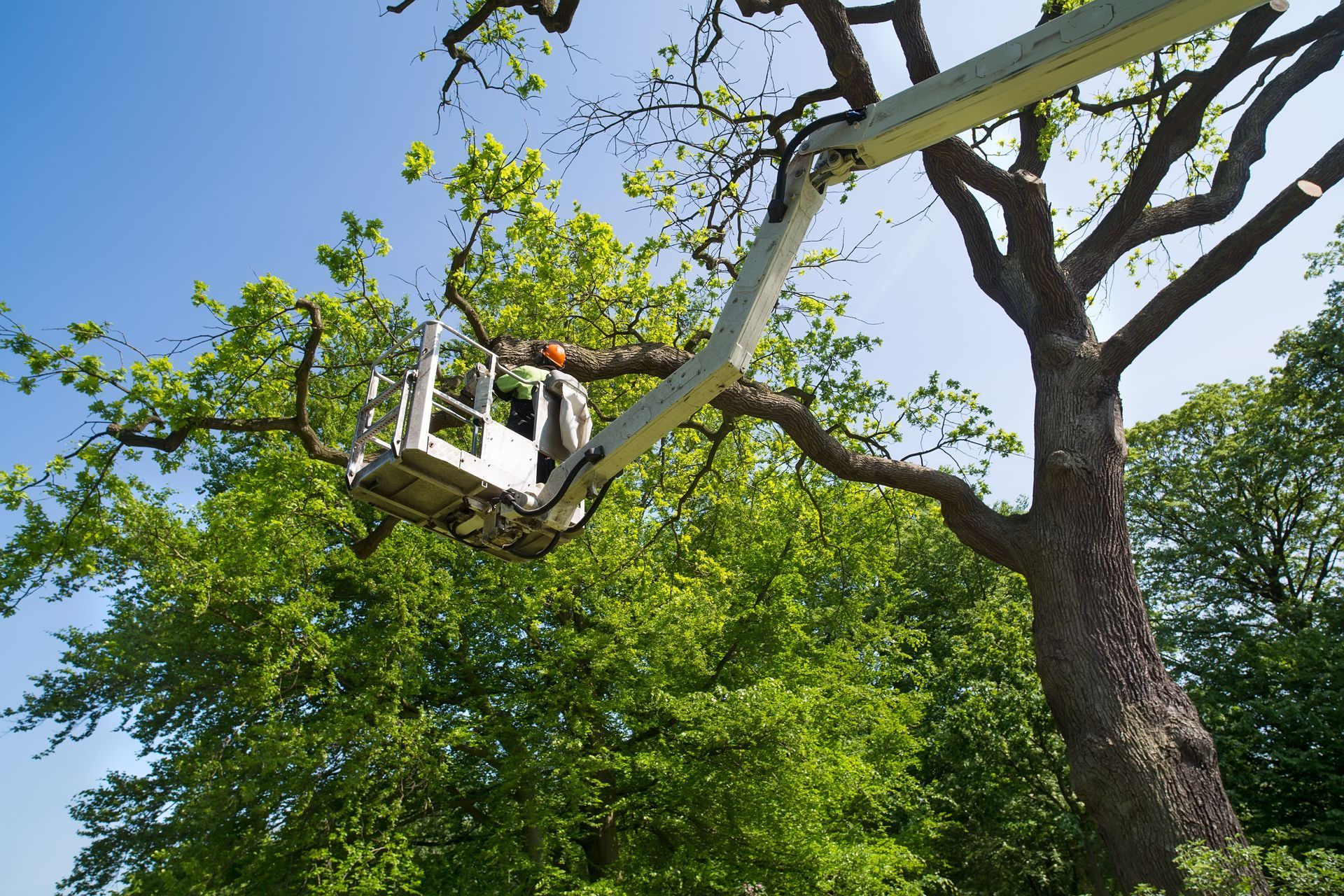
Weather events can cause sudden, catastrophic damage to limbs and trunks. High winds and heavy ice often split major branches or tear away large sections of the canopy. If a storm breaks a single large limb but leaves the rest of the structure intact, a professional can usually trim the remaining pieces to restore balance. This targeted pruning allows the plant to heal and continue growing safely.
However, some damage is too severe for pruning to fix. If a trunk splits down the middle or a storm removes more than half of the canopy, the specimen cannot recover. A severely misshapen canopy prevents the plant from producing enough food through photosynthesis. Furthermore, a split trunk creates an open wound that invites pests and disease, making tree removal the most practical path forward. Trying to salvage a split trunk usually results in a slow decline that ends in a total collapse anyway.
You should also look at the angle of the trunk to assess stability. A tree that grew at a natural lean over many years is generally stable because the root system has adapted to support the weight. Conversely, a tree that suddenly starts leaning after a storm is in imminent danger of falling. Soil heaving or exposed roots on the opposite side of the lean confirm that the root system is failing, which makes immediate tree removal necessary.
Analyze the Tree Location and Surrounding Space
A tree that's perfectly healthy can still become a major problem if it grows in the wrong spot. Nearby infrastructure, utility lines, and property boundaries all dictate how much space a plant has to mature. Branches that grow into overhead power lines create a severe fire hazard. In these situations, utility companies will often trim the branches back, though this can leave the canopy looking lopsided and unnatural.
Encroachment on your home is another common issue. Limbs that touch your roof can scrape away shingles, trap moisture, and provide a direct pathway for pests like ants and squirrels to enter your attic. Underground roots can also disrupt concrete patios, crack sidewalks, and infiltrate sewer lines. If the problem is limited to a few specific branches or shallow roots, a careful trim can protect your home without harming the specimen.
When spatial conflicts threaten the foundation of your home, trimming is no longer a viable solution. Cutting away too many major structural roots to save a sidewalk will destabilize the entire plant, making it a falling hazard. If the species is simply too large for its location and poses a constant threat to your house or underground utilities, you must schedule a tree removal to protect your property. Ignoring a compromised foundation can lead to incredibly costly structural repairs for your house.
Review Future Maintenance Costs and Property Goals
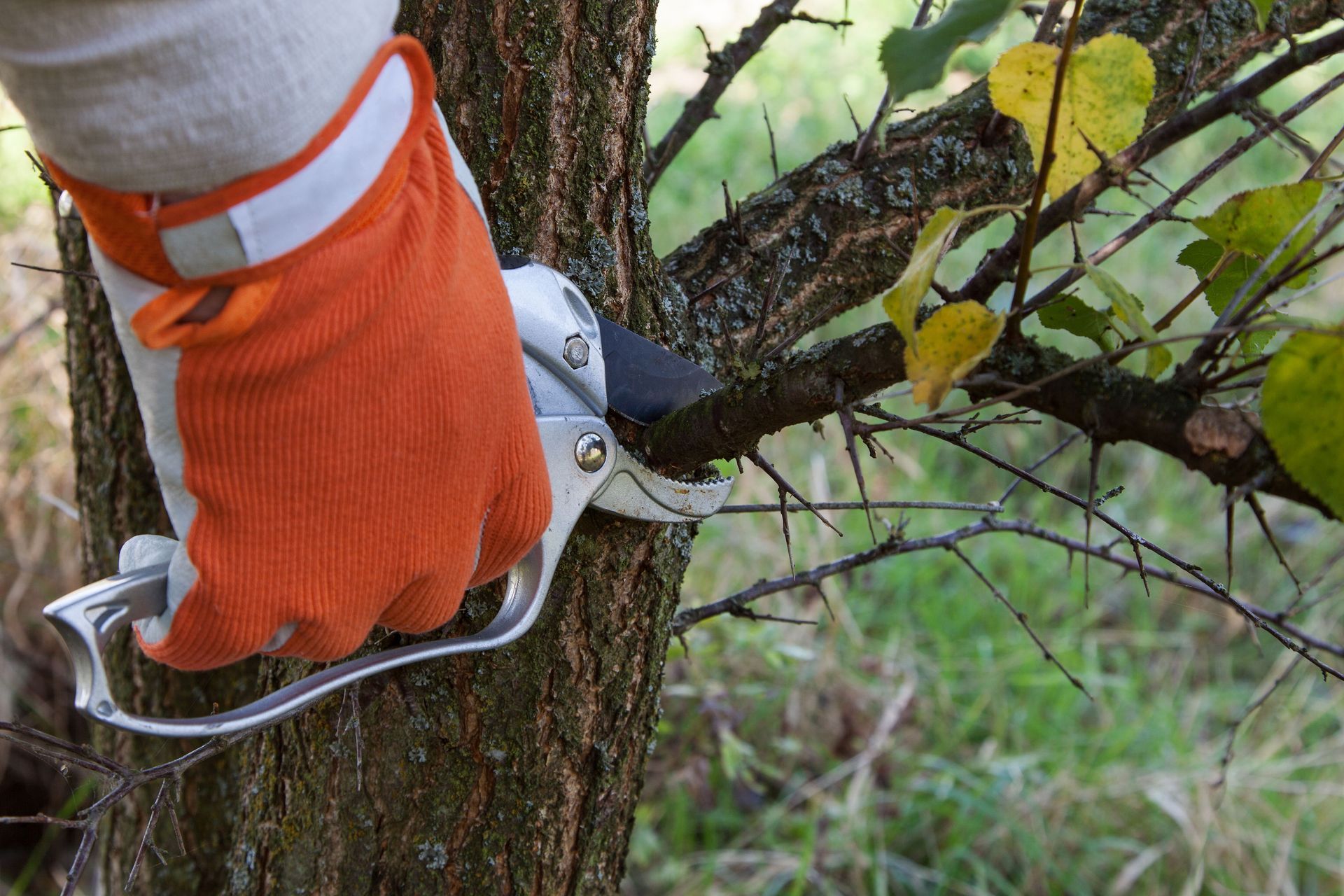
Property owners must consider the long-term financial commitment of managing large plants. Trimming is an ongoing maintenance expense that you should plan for every few years. Regular pruning maintains a manageable size, removes weak spots, and keeps the canopy beautiful. For many homeowners, this routine care is a worthwhile investment that preserves property value and keeps the landscape safe.
Some trees require an excessive amount of effort to maintain due to poor genetics or structural flaws. If a specimen requires extensive cabling, frequent disease treatments, and annual pruning just to stay upright, the cumulative costs will quickly surpass the price of a single extraction. Investing heavily in a dying or structurally unstable specimen is rarely a wise financial decision for a homeowner. Recognizing when a plant becomes a financial drain helps you allocate your property maintenance funds more effectively.
Your personal goals for the yard also play a role in this choice. If you plan to build an addition, install a driveway, or put in a swimming pool, existing landscaping might stand directly in the way. While shifting your construction plans is sometimes possible, tree removal allows you to reclaim the space entirely so you can remodel your property and plant more appropriate species for the future.
Make Your Final Decision
Deciding whether to trim or remove a tree requires a careful balancing act between preservation and safety. Pruning is the ideal choice when you want to eliminate dead wood, clear branches away from your roof, or improve the appearance of a healthy specimen. This practice extends the lifespan of your plants and keeps your yard looking beautiful. It allows you to enjoy the benefits of mature foliage without compromising safety.
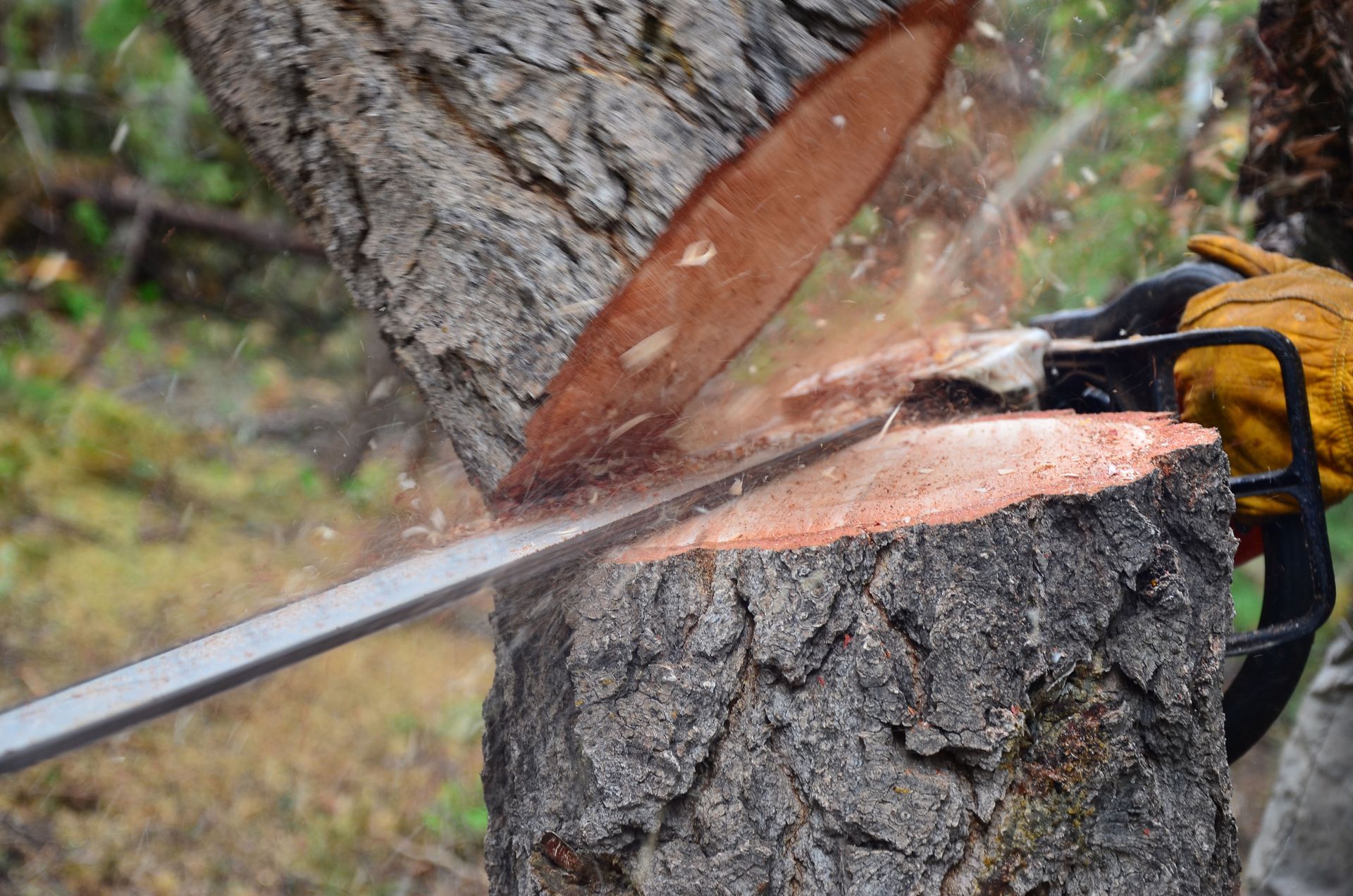
When a tree suffers from trunk decay, a sudden lean, or severe storm splitting, preservation is no longer possible. Leaving a structurally compromised specimen standing puts your home, vehicles, and family at risk. In these scenarios, tree removal is a responsible choice that clears the hazard and gives you a fresh start. Assessing the health, location, and structural integrity of your trees will always lead you to the right choice for your property.
If you're not sure what the next step is for your property, contact Countryside Cutters LLC today to schedule a professional consultation for your tree removal or maintenance needs.