July 23, 2026
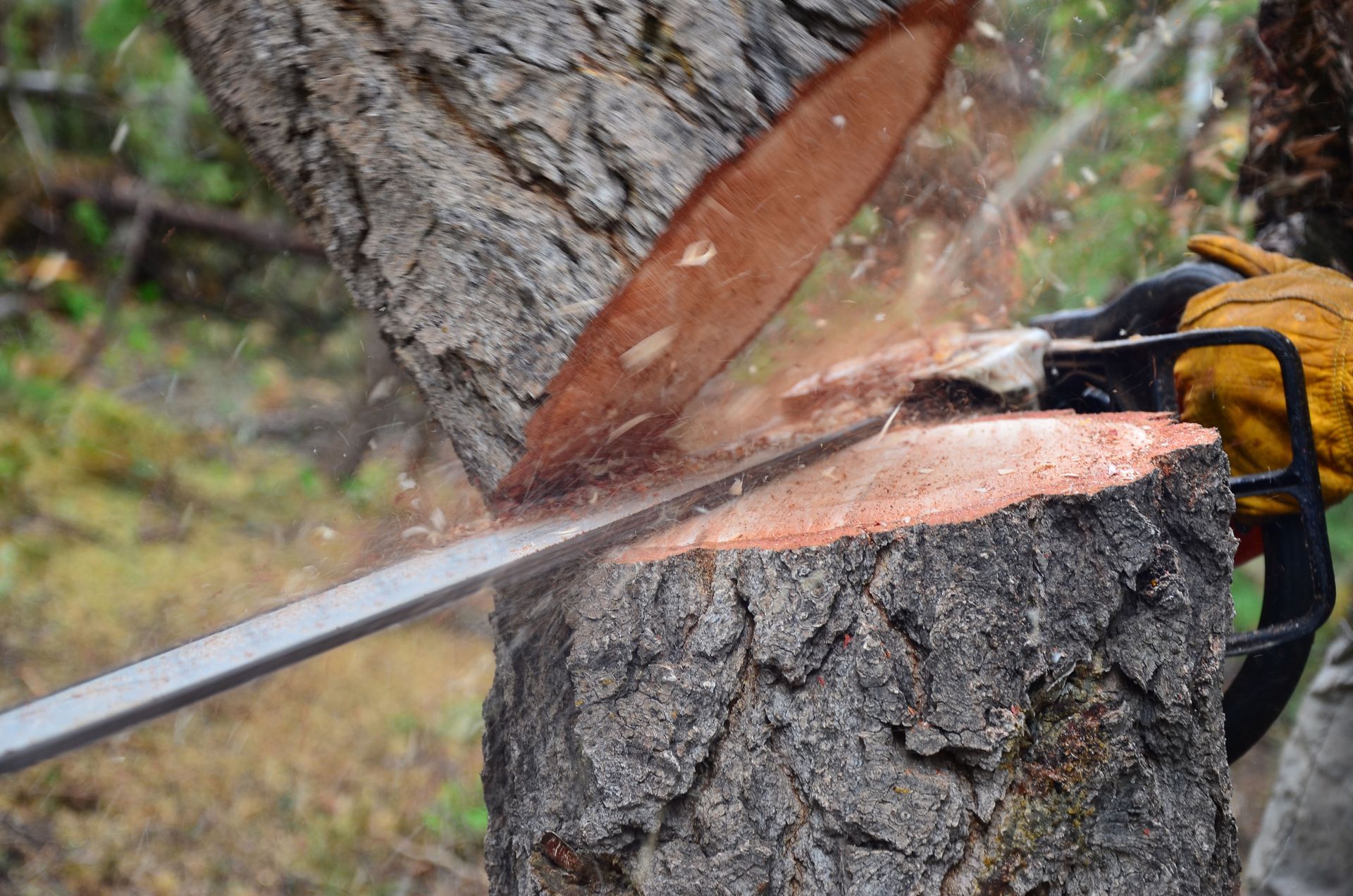
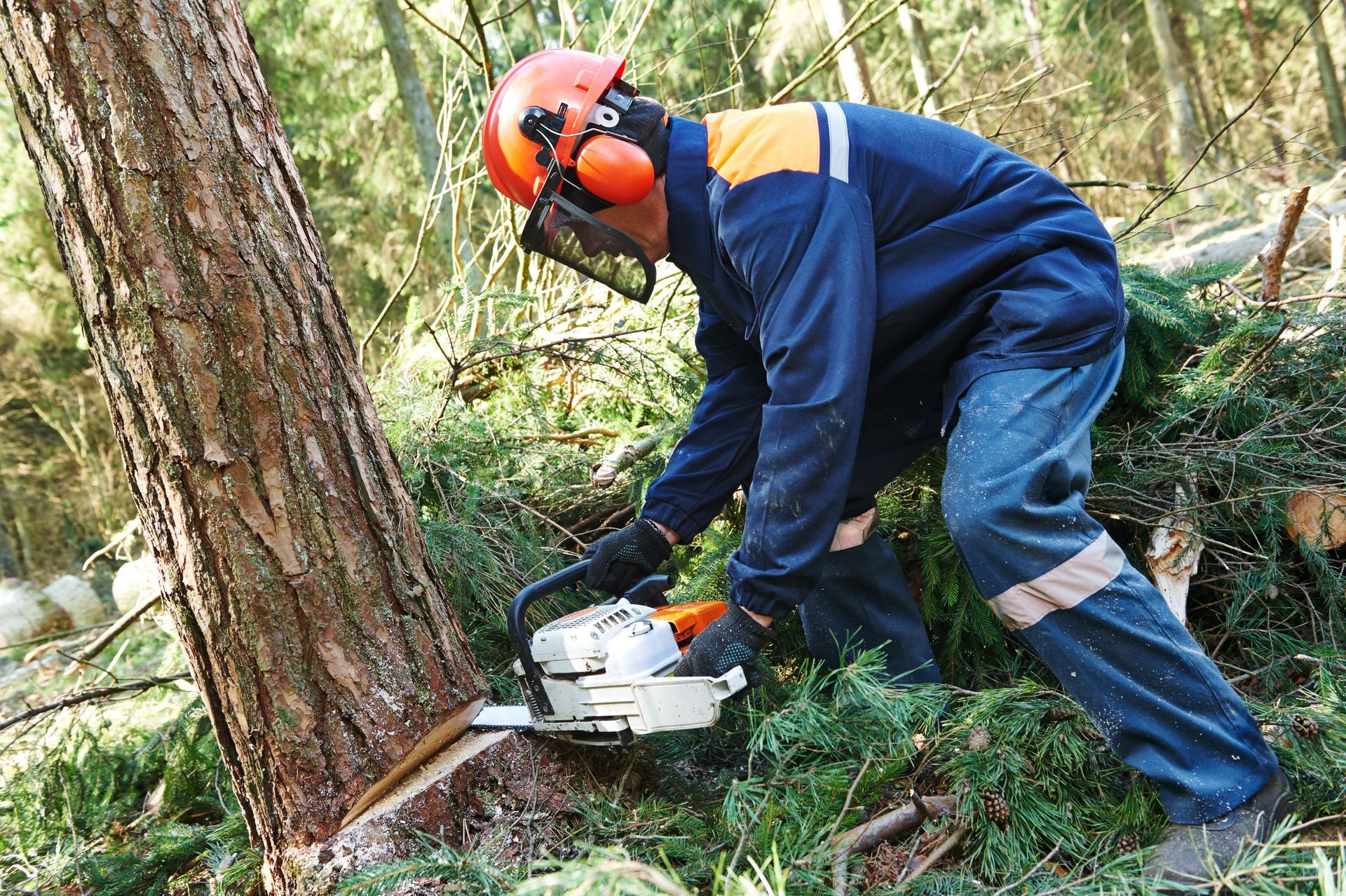
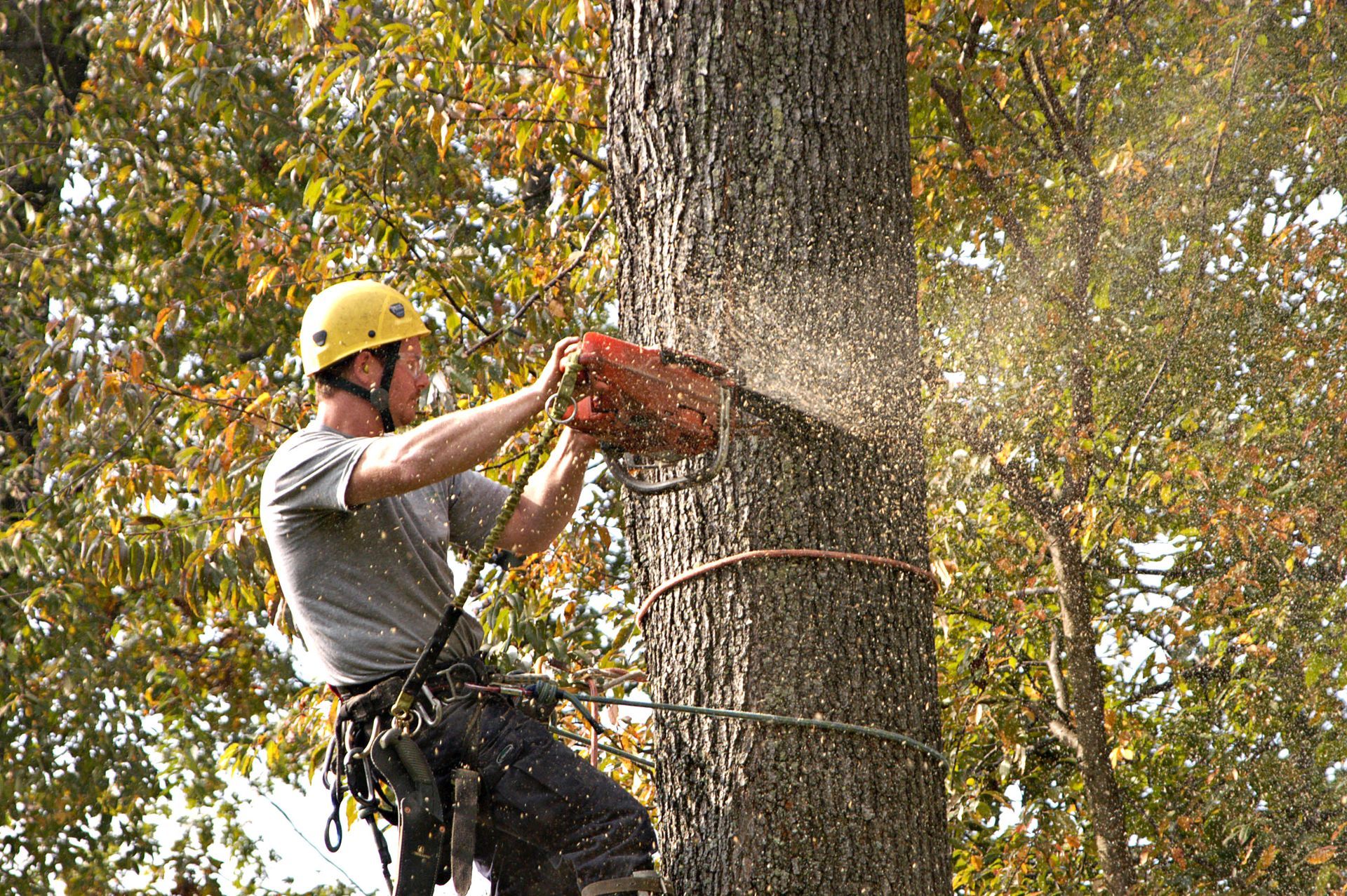
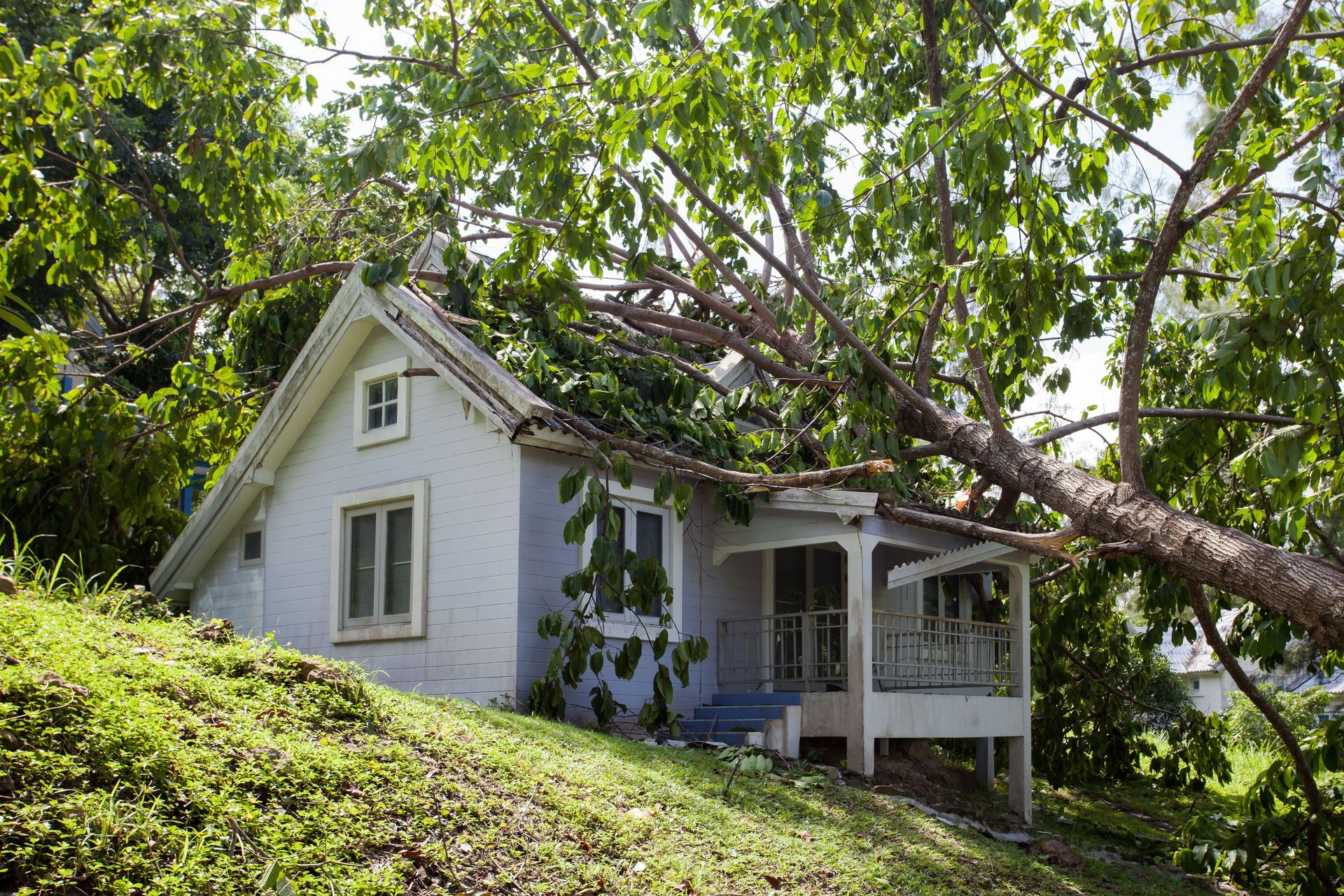
This article explores highly effective, practical strategies for enhancing your yard's visual appeal and health following the process of tree extraction. Whether necessary due to disease, safety concerns, storm damage, or personal aesthetic preferences, tree removals often leave homeowners grappling with how to restore or improve their landscape. For many, a mature tree is a beloved anchor point that has defined the property's character for decades. Its sudden absence is not just an ecological shift; it is a visual shock that completely alters how sunlight, shadows, and wind move across your lawn.
The sudden loss of a prominent plant can make an outdoor area feel empty, bare, and disconnected from the rest of the home's architectural design. Furthermore, homeowners are often left with disrupted soil, uneven grading, or a general sense of landscape imbalance that can feel incredibly overwhelming to resolve on their own.
Through structured, professional advice and creative design ideas, this comprehensive guide aims to help you transition your yard into a more welcoming, balanced, and vibrant space. Viewing this physical change not as a permanent loss, but as a fresh canvas, allows you to thoroughly reimagine your property's true potential. By understanding how to work with your newly opened space, you can design a cohesive, beautiful outdoor oasis that thrives for years to come.
Understanding the Landscape Impact
Removing established trees from a landscape can lead to rapid environmental shifts, including altered microclimates due to increased sun exposure, elevated soil temperatures, and reduced natural windbreaks. Aesthetically, the sudden absence of a tree creates a distinct physical and visual gap in the landscape that can dramatically alter the perception and scale of the entire space. An open, exposed area may feel stark or lack the cozy dynamic once provided by a lush canopy. Additionally, the sudden change in the local ecosystem can affect subsurface soil composition and moisture retention, which directly influences future plant growth.
The removal of a larger tree, especially one classified as a medium-sized tree, has immediate physical implications for your property. According to the Arbor Day Foundation, trees are considered medium-sized when they're between 30 and 70 feet. Losing a plant of this scale means the ground loses a massive root network that once stabilized the soil, which significantly increases the short-term risk of soil erosion during heavy rains. Furthermore, understanding what prompted the need for professional tree removals—such as aggressive fungal infections or wood-boring pests—is critical to ensuring you do not plant new, vulnerable species in that exact spot.
Rather than viewing tree removals as a purely aesthetic loss, forward-thinking homeowners use these events as prime opportunities to reimagine their lawn layouts. The newly gained sunlight and physical space can be utilized to introduce exotic plant species, lay down elegant stone walking paths, or construct hardscaping features like wooden decks or stone patios. You might also consider establishing a small organic vegetable garden or a dedicated pollinator patch. Recognizing this creative potential turns a stressful property maintenance event into an exciting, positive transformation for your home.
Planning Your Yard’s New Look
Before buying new plants, it is essential to evaluate the current soil and sunlight conditions of your yard, as they will have changed dramatically. The organic leaf litter and root systems that once defined the area are gone, and the soil may be depleted of key nutrients. Increased sunlight will also dry out the soil much faster than before. Conducting basic soil tests and monitoring daily light patterns will provide the necessary data to help you select new flora that will actually thrive in these updated conditions.
Creating a detailed design blueprint is a critical step in transforming your yard. A well-crafted visual plan helps you layout each area of your lawn, ensuring proper plant spacing, future growth allowance, and manageable maintenance schedules. Incorporating hardscaping elements, such as gravel walkways and focal seating areas, should also be finalized during this drafting phase to prevent overlapping design features later on.
Consulting with local landscaping professionals can greatly enhance the quality and ease of your yard redesign. Experienced contractors offer invaluable guidance regarding proper plant pairing, drainage solutions, and long-term care strategies. They can also identify underlying property challenges, like subterranean stump decay or grading issues, before they ruin your new installations. Balancing your personal vision with expert industry insights ensures a highly functional, satisfying, and beautiful outcome.
Reintroducing Flora and Hardscapes
Choosing native plants is one of the smartest and most sustainable decisions you can make for a post-removal landscape. Native species naturally adapt to your local climate, rainfall patterns, and soil conditions, which greatly reduces the need for expensive watering, synthetic fertilizers, and chemical pesticides. These resilient plants also support local songbirds and beneficial insect pollinators, creating a healthy, living ecosystem that naturally keeps pests in check while presenting a beautifully cohesive aesthetic.
Integrating hardscaping features is a fantastic way to restore structural balance to an open yard after major tree removals occur. Designing natural stone pathways guides visitors through your garden, while custom patio installations create defined zones for outdoor relaxation. Adding low-voltage landscape lighting further highlights these new features at night, enhancing both home security and evening ambiance. These solid structures elegantly break up empty spaces, ensuring your yard looks organized and intentional.
Long-Term Care and Maintenance
An efficient watering system is vital to helping your new plantings establish deep, healthy root systems in areas formerly shaded by trees. Installing targeted drip irrigation systems delivers moisture directly to the soil, minimizing evaporation and water waste. Additionally, performing routine soil fertilization and organic composting ensures your new plants have a steady supply of nutrients, helping them grow vibrant, pest-resistant, and strong.
Consistent pruning and structural trimming are necessary to keep your newly introduced shrubs and ornamental plants growing in a tidy, healthy shape. Removing dead wood prevents disease transmission, while regular lawn aeration and seasonal mowing encourage a thick, verdant turf. Combining these practices with proactive weed control forms a robust defense system that keeps your entire property looking pristine and professionally maintained.
Sustainable Yard Upkeep
Your backyard can actively promote local biodiversity by providing rich wildlife habitats. Incorporating diverse plant heights, heavy nesting foliage, and safe water features invites local birds and beneficial insects to reside in your garden. This ecological diversity naturally regulates garden pests and improves overall soil health, creating a self-sustaining environment that requires fewer chemical interventions to stay beautiful.
A great landscape is not static; it grows, matures, and shifts over time. Regularly updating your yard design by rotating annual flower colors, trimming back overgrown branches, and introducing fresh mulch keeps your outdoor space feeling modern, clean, and inspiring. This proactive, long-term stewardship prevents your yard from falling into a state of neglect, ensuring your landscape remains a proud reflection of your home.
While undergoing tree removals can initially feel like a major aesthetic loss, it ultimately presents a wonderful opportunity to upgrade, modernize, and beautify your entire property. By opening up your canopy, you invite fresh possibilities for sunlight, growth, and creative design. Assessing your soil, drafting a careful layout, selecting hardy native plants, and adding elegant hardscaping elements allows you to easily craft a gorgeous, sustainable outdoor sanctuary that suits your lifestyle. Embracing this change ensures your property remains safe, visually balanced, and highly valuable.
If you are struggling with safety concerns, stump lingering, or need help executing professional tree removals, the certified team of arborists at Countryside Cutters LLC is ready to assist. Their experienced crew handles every step with precision, protecting your lawn while clearing the path for your new landscape. Contact them today to safely clear your space, prep your soil, and lay down the perfect foundation for your brand-new, jaw-dropping yard design that you and your family will cherish for years to come.