September 22, 2026
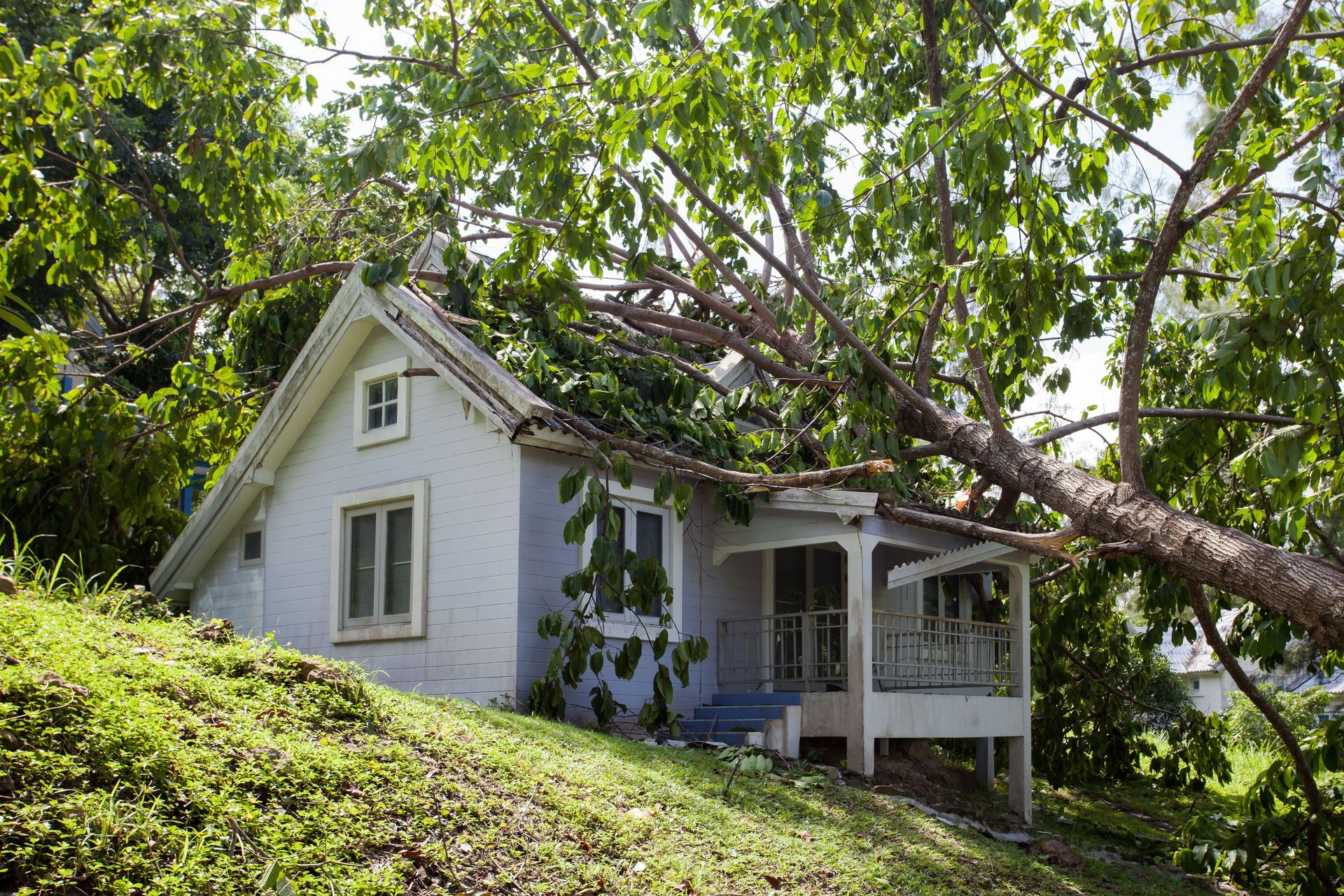
An unexpected storm or severe weather event can result in a massive tree collapsing onto your home, causing sudden damage and immense stress. When heavy branches crash through the roof, the immediate aftermath feels chaotic and overwhelming. Knowing the right people to call can expedite vital repairs and alleviate the heavy burden of managing the crisis alone. This article outlines the essential contacts needed to manage such an incident effectively and keep your family safe.
With proper coordination and clear communication, you can minimize the disruption to your daily routine and ensure that the necessary steps are taken without delay. Understanding your responsibilities and the various resources available empowers you to tackle the situation with confidence. Prioritizing safety forms the foundation of a successful recovery effort, especially when scheduling emergency tree removal to clear the wreckage. Securing the perimeter and organizing a rapid response plan sets the stage for a smooth restoration process.
Contacting First Responders
In the event of a structural collapse, assessing the environment is crucial before you dial emergency services. Only call first responders if there is an imminent danger to human life, such as an active fire, severe structural instability, or significant medical injuries. Dispatchers prioritize life-threatening situations, and non-emergencies might divert vital personnel away from critical incidents. Evaluating the scenario rationally helps ensure a more efficient allocation of public resources. If everyone is safe and the structure appears stable, proceed to the next steps.
The fire and police departments play a crucial role when heavy branches strike a residence, particularly if the impact leads to a fire hazard or blocked roadways. They possess the expertise and specialized equipment to manage dangerous situations and evacuate trapped individuals. If physical injuries occur, medical personnel should be contacted right away to provide lifesaving first aid. Prompt medical attention can be the difference between life and death. Coordinating with public safety ensures that each department can secure the area and maintain order.
Notifying Financial Providers
Before a storm strikes, reviewing your homeowners' policy helps you understand what type of coverage applies to storm-related debris. Understanding your coverage prepares you for the financial impact of widespread property destruction. Policies differ widely regarding what is included, influencing your possible out-of-pocket expenses. According to the National Storm Damage Center, falling timber acts as the primary cause of roof destruction, which results in over $1 billion in property damage annually. A comprehensive policy provides peace of mind and vital financial security when navigating these sudden disasters.
Filing a claim serves as a critical step in recovering from a collapsed trunk. Begin by contacting your provider right away to initiate the claims process and schedule a visit from an adjuster. Proper documentation is vital for a successful evaluation, so photograph the damage from various angles to ensure the extent of the destruction is clearly visible. Maintain a written record of any conversations with representatives and contractors. Understanding your coverage limits dictates whether the provider will cover the cost of emergency tree removal or focus solely on interior repairs.
Alerting Municipal Utilities
When heavy limbs strike a residence, contacting your electric company is essential if overhead power lines sustain any impact. Electrical hazards pose significant dangers to the area, introducing a high risk of active fires and electrocution. The utility company will send a specialized crew to safely manage and repair any downed lines near the perimeter. Quick coordination with the electric provider ensures the restoration of power and enhances safety for your household and neighbors. Keeping their contact information readily accessible acts as a prudent precaution for any severe weather event.
Gas lines and water pipes can face severe disruption from heavy roots and branches, introducing the risk of leaks that could lead to dangerous explosions or flooding. If you suspect a gas leak or notice broken pipes, contact the respective utility provider and evacuate the premises if necessary. Never attempt to manage a gas leak or severed water main on your own, as trained professionals must handle these volatile situations. Utility companies have dedicated emergency crews to promptly address such hazards. Being proactive safeguards your family and prevents exacerbated incidents.
Hiring Professional Arborists
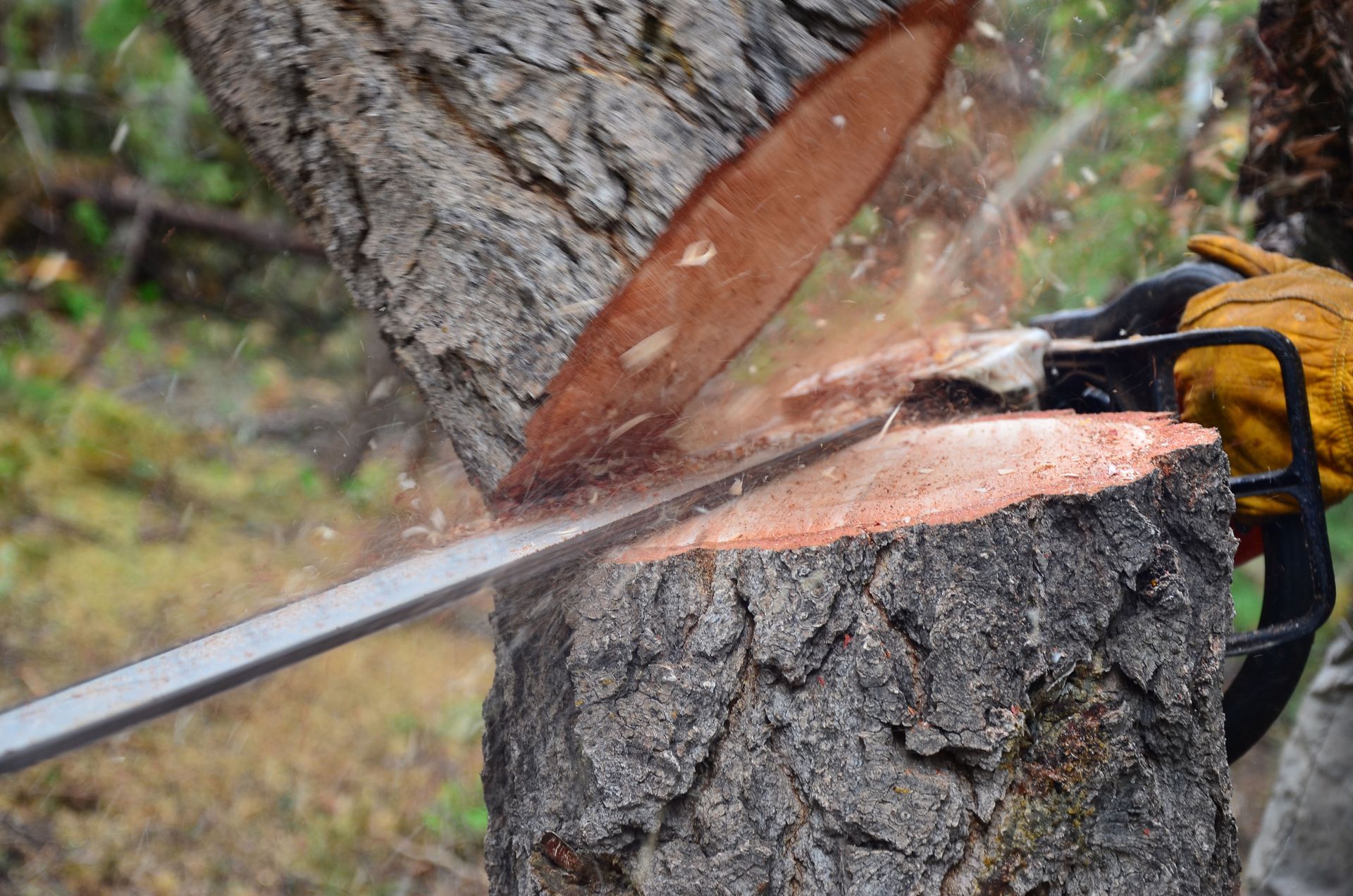
Engaging an experienced tree care team is critical for the safe extraction of a fallen trunk. A skilled crew has the expertise and heavy equipment, such as cranes and bucket trucks, necessary to handle complex extractions without causing structural strain. Look for local experts who have a solid track record and possess knowledge of regional species, which informs their approach. Scheduling an emergency tree removal promptly prevents further issues such as pest infestations or sudden cave-ins. Accurate evaluations by these experts lead to more precise intervention strategies and avert complications.
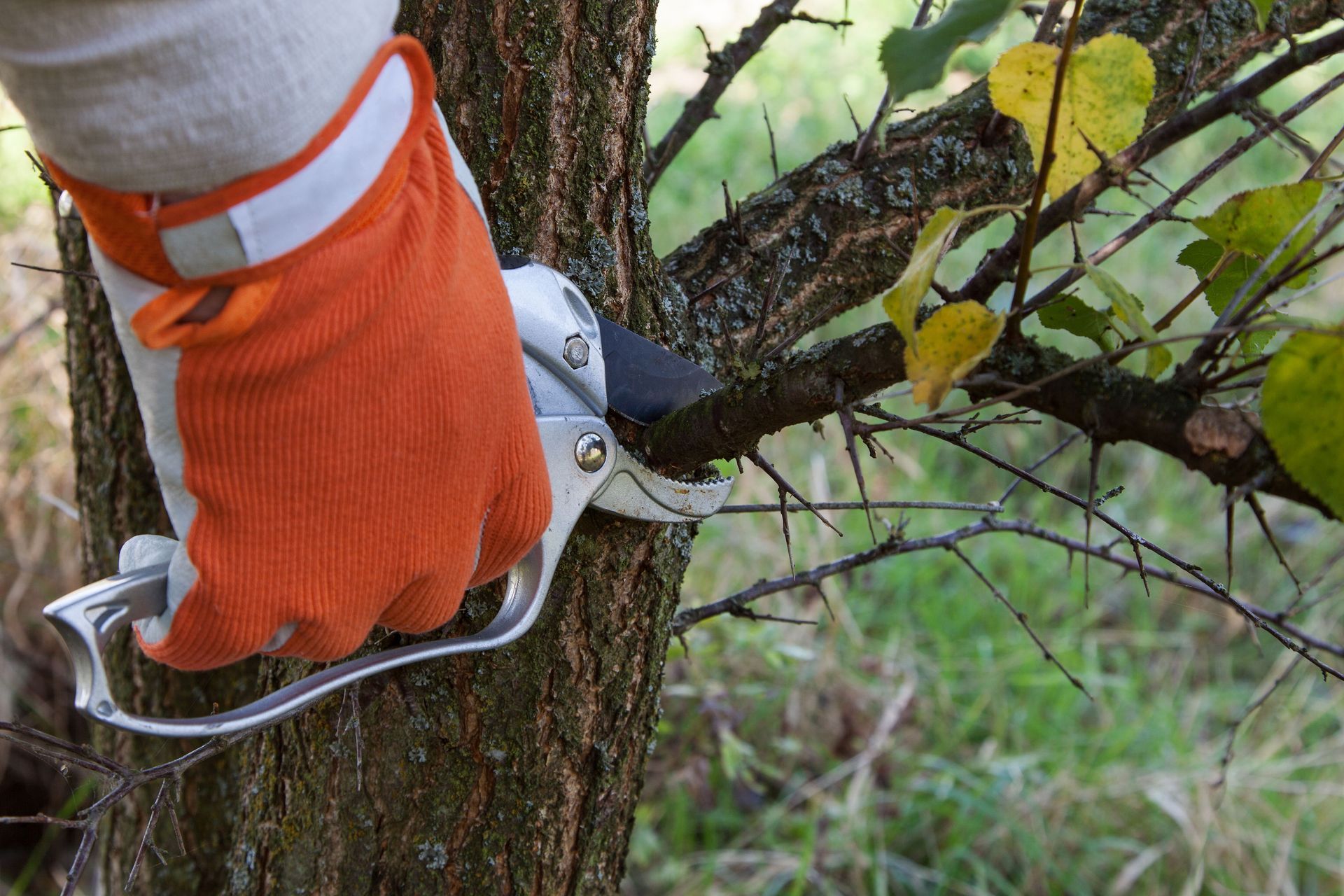
Once you have chosen a specialized service, prompt coordination allows you to begin other necessary home repairs without delay. A timely emergency tree removal ensures that tarps can be placed over exposed roofing materials before rain causes interior water damage. Following the immediate extraction, follow-up assessments help ensure no residual risks remain on the property. Tree specialists can identify other vulnerable branches and provide routine maintenance services like pruning, cabling, or stump grinding to prevent future incidents. Taking this preventive approach minimizes the risk of recurrence and promotes a secure outdoor environment.
Engaging Structural Engineers
Engaging a structural engineer to assess a residence is vital after a heavy impact. These experts determine the extent of the compromise and prioritize restoration tasks based on urgency. They diagnose invisible issues within the framing or foundation, ensuring the core components remain stable. A professional assessment provides the foundation for planning an effective recovery and securing a robust restoration strategy. Accurate comprehension of the underlying architectural damage is indispensable in preventing further deterioration.
Following a thorough assessment, structural engineers provide detailed recommendations for framing and roofing repairs. Engineers base these recommendations on current building codes and safety requirements, ensuring a compliant restoration plan. They work closely with builders and contractors to execute the recommended repairs after an emergency tree removal takes place. Adhering to local building codes protects the home's integrity and preserves long-term resale value. Implementing their expert recommendations enhances resilience and mitigates the impact of future severe weather events.
Accessing Local Organizations
Knowledge of municipal ordinances is essential after a massive canopy collapse. Regulations dictate who is responsible for the cleanup, and understanding these local laws guides your interactions with neighbors and insurers. Ordinances might define procedures for repair permits, affecting your overall recovery timeline. Engaging with local authorities provides clarity and ensures you follow the proper protocols for debris disposal following an emergency tree removal on your lot. Familiarity with these rules prevents legal complications and streamlines the administrative recovery process.
Emergency management agencies serve as a valuable resource, providing guidance and support during a widespread crisis. Local groups offer evacuation advice, weather updates, and relief assistance to affected neighborhoods. Alerting these bodies to your situation can result in timely aid, enhancing the responsiveness of your recovery efforts. Community assistance programs frequently provide resources like temporary housing, essential supplies, and debris clearing assistance after an emergency tree removal concludes. Connecting with these organizations eases the strain of disaster recovery and showcases communal resilience.
A heavy timber collapsing onto your residence constitutes a serious emergency, but knowing exactly who to contact makes the chaotic process much more manageable. Reaching out to first responders, insurers, and utility crews ensures a comprehensive response to restore order. Understanding the specific roles of each entity leads to effective coordination and faster resolution for your household. When you require prompt and professional assistance, we are ready to help you. Contact us at Countryside Cutters LLC, and we will gladly restore the safety of your landscape.