August 21, 2026
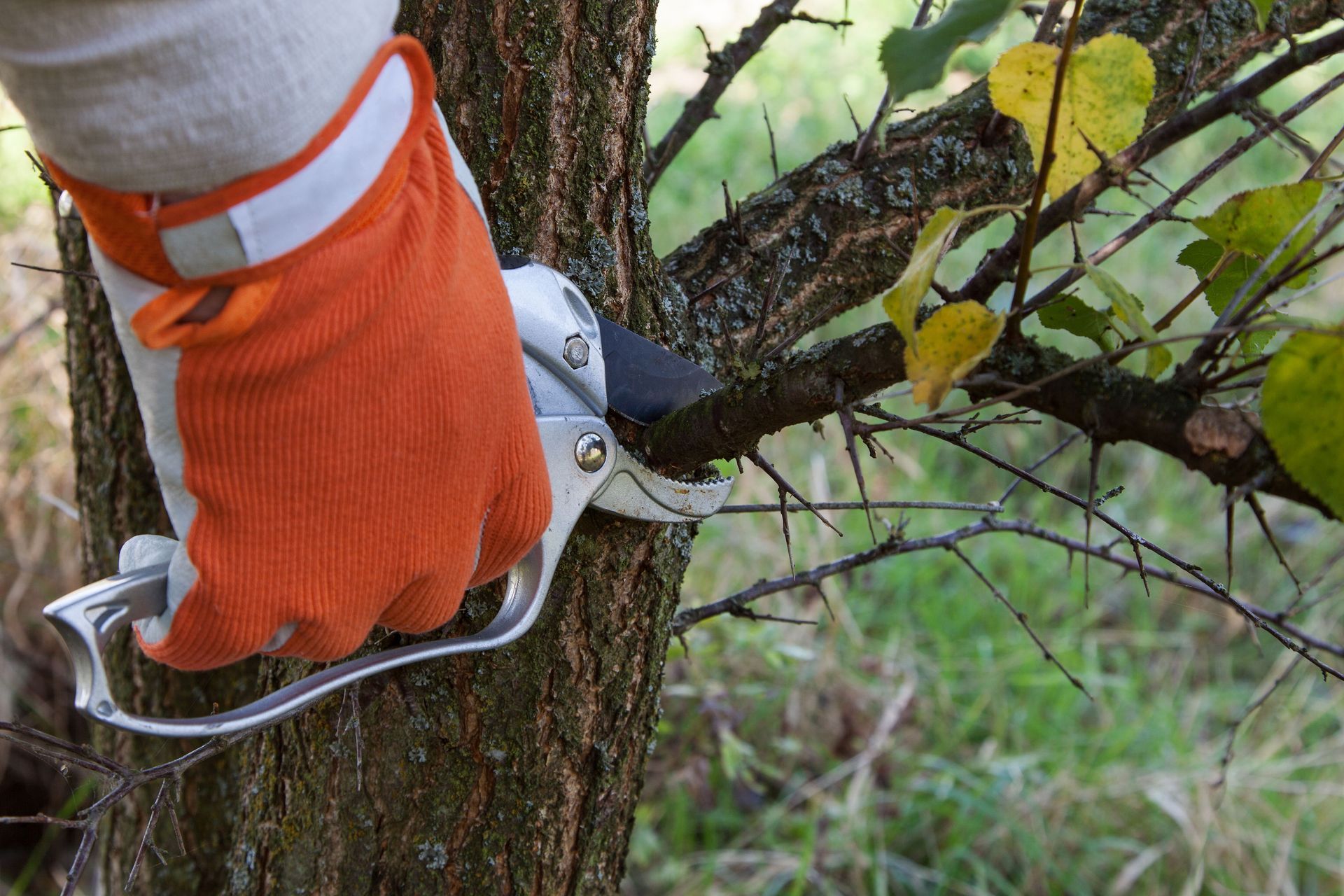
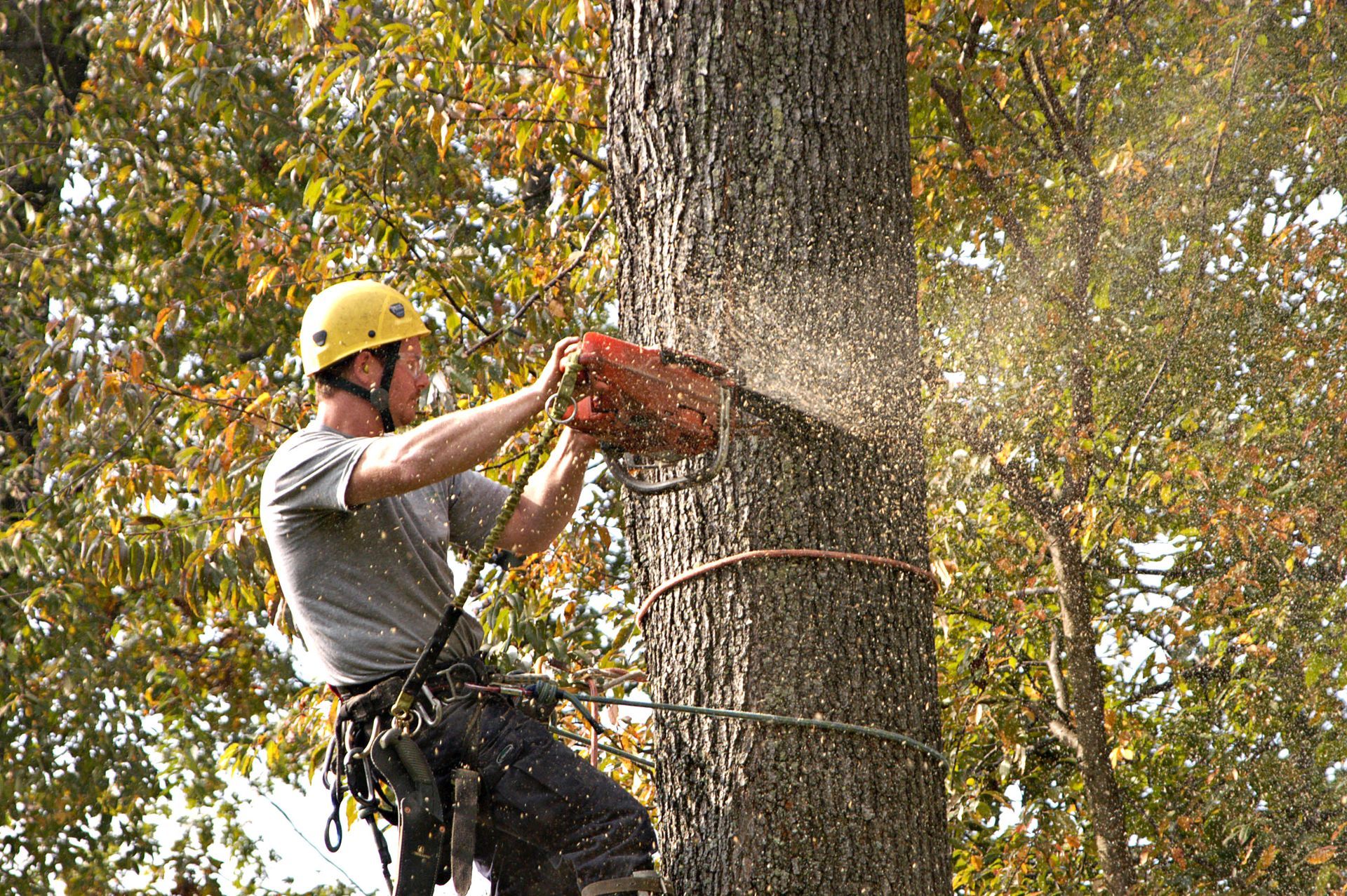
Tree pruning is an essential technique in arboriculture that greatly benefits trees. This article explores numerous ways that regular pruning can improve the health, appearance, and overall lifespan of your trees. Whether it is a solitary garden tree or an outdoor landscape, proper tree pruning impacts both their immediate and long-term health. As we delve deeper, we will uncover various benefits of this essential practice.
1. Enhance Tree Health
A. Removal of Diseased Branches
One critical function of tree pruning is the removal of diseased branches. Diseased branches can significantly affect the health of a tree by allowing pests and pathogens to spread. Pruning ensures that these infected parts are removed, thus halting further decay. Additionally, the removal of unsound wood leads to the promotion of the tree's natural defenses. Ultimately, removing diseased areas can rejuvenate a tree's growth.
B. Prevention of Pest Infestation
Regular tree pruning is also a key defense against pest infestations. By removing dead or decaying wood, the habitat for pests is greatly reduced. Many insects are drawn to weak or rotting segments, and through pruning, these parts are eliminated, which reduces the risk of infestation. A well-maintained tree is less likely to develop pest problems compared to unpruned counterparts. Pruning not only improves tree health but also fosters a pest-free environment.
C. Promoting Healthy Growth Patterns
Promoting healthy growth patterns is a direct advantage of regular tree pruning. When pruned correctly, trees grow in a structured and balanced manner. This process aids in eliminating competing branches that may hinder growth. By selectively removing unnecessary branches, the tree can allocate nutrients to more critical areas. Consequently, this leads to robust and healthy tree growth.
D. Increased Sunlight and Air Circulation
Another vital benefit of tree pruning is the increased penetration of sunlight and improved air circulation throughout the tree. By thinning out crowded branches, sunlight reaches deeper into the canopy, nourishing the entire tree. Additionally, air circulation improves, reducing the likelihood of fungal diseases that thrive in humid, enclosed environments. A well-ventilated tree maintains better health and fosters more vibrant growth. As a result, the tree becomes more resilient against environmental stresses.
2. Improve Aesthetic Value and Landscape Appeal
A. Improved Tree Shape and Structure
Regular pruning enhances a tree's aesthetic value by improving its shape and structure. A well-pruned tree showcases a balanced form, making it a focal point in any landscape. By shaping a tree through pruning, you ensure it complements the surrounding environment. This artistic manipulation not only serves aesthetic purposes but maximizes the tree's visual impact within the landscape. An artistically pruned tree stands as an elegant testament to care and attention.
B. Encouragement of Flower and Fruit Production
Beyond structural improvements, tree pruning encourages better flower and fruit production. By removing old or non-productive wood, the tree channels energy toward producing abundant blossoms and high-quality fruit. This energy redirection leads to larger, healthier yields. Furthermore, carefully timed pruning aligns the growth season with peak productivity times. Thus, pruning not only maintains tree aesthetics but enhances its productive output.
C. Compatibility with Landscape Design
Pruning also ensures that trees align harmoniously within a broader landscape design. Trees can often grow out of proportion with their surroundings if left unchecked. By pruning, you can tailor a tree's size and growth direction to complement garden structures, pathways, and architectural designs. This harmony creates a cohesive look, enhancing the overall landscape appeal. Additionally, such design compatibility increases the property's aesthetic and functional value.
D. Removal of Deadwood
Removing deadwood is another aesthetic and safety advantage that pruning offers. Dead branches often detract from the beauty of a tree, appearing unsightly within the overall structure. The act of removing deadwood revives a tree's visual appeal, unveiling vibrant, living branches. Moreover, getting rid of these dead segments minimizes hazards from falling branches. Consequently, pruning revitalizes a tree's allure while ensuring safety in the landscape.
3. Enhance Safety
A. Minimizing Risk of Falling Branches
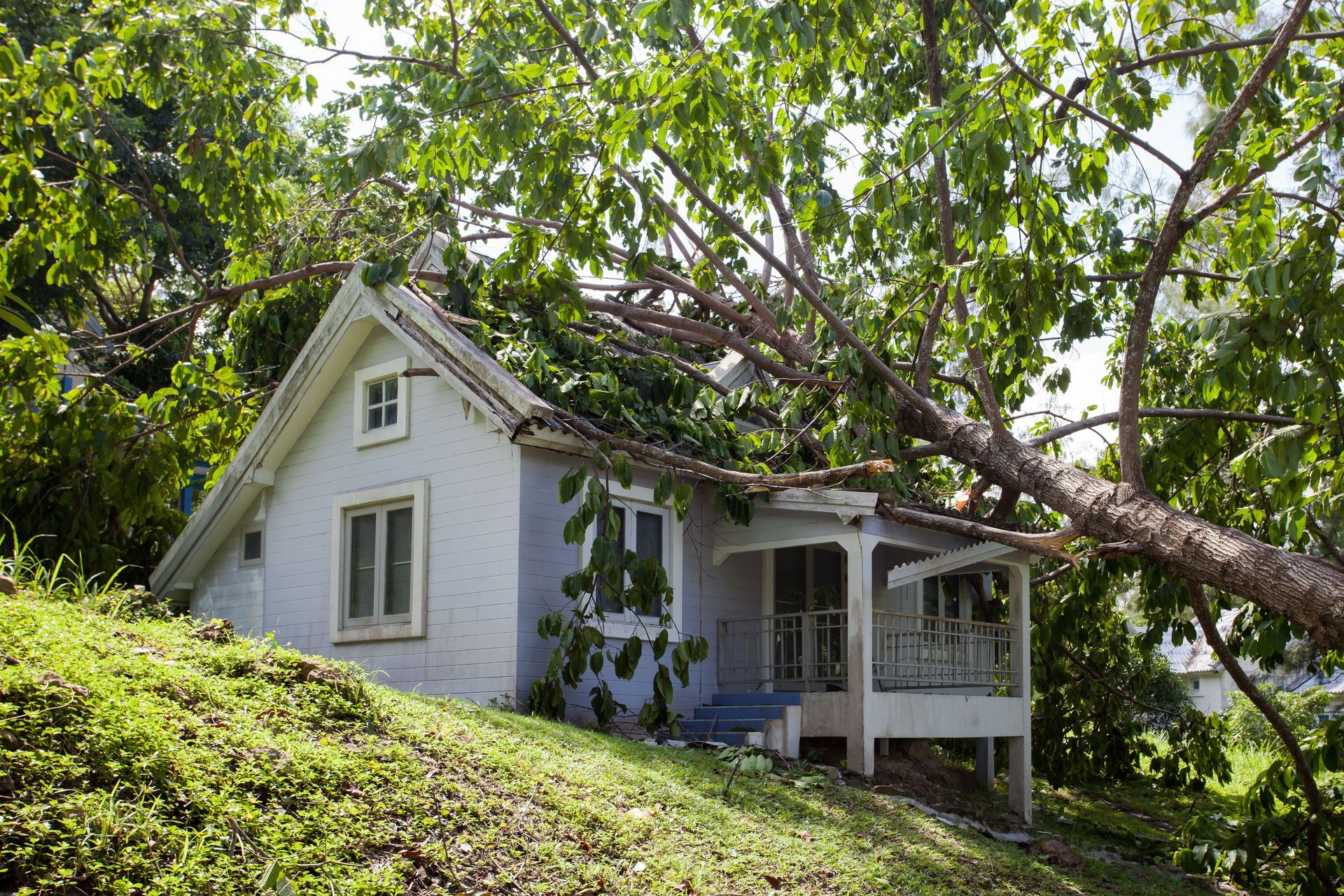
Regular tree pruning significantly reduces the risk of falling branches, ensuring safety. Weak and dead branches pose a danger, especially in high-traffic areas or near structures. By pruning, you proactively eliminate this risk by removing vulnerable sections before they become hazardous. This preventive measure is crucial in avoiding injuries and property damage. Consistent pruning should be seen as an investment in ensuring safety around trees.
B. Ensuring Clearance for Buildings and Pathways
Ensuring proper clearance for buildings and pathways is a vital function of tree pruning. Overgrown limbs can obstruct paths and encroach on structures, leading to potential structural damage. Through pruning, you maintain adequate clearance zones, preventing these issues. This process also considers overhead clearance for pedestrian and vehicular movement. By pruning thoughtfully, you maintain the aesthetics while mitigating structural intrusion risks.
C. Reducing Risk Around Power Lines
Regular pruning helps in significantly reduce risks around power lines. Trees that grow unchecked might interfere with electrical wires, posing fire hazards and service interruptions. Timely pruning ensures a safe distance is maintained, preventing contact or damage. Professional management of tree growth around power lines is imperative for public safety and utility function. Thus, pruning responsibly protects both infrastructure and public welfare.
D. Visibility and Line of Sight Improvements
Another essential advantage of pruning is improving visibility and line of sight. Overgrown trees can block views from residences, pathways, or roads, leading to potential safety risks. Pruning selectively opens these sightlines, enhancing visibility and maintaining an open appearance. Such visibility improvements are crucial for pedestrian, cyclist, and driver safety alike. Regular trimming ensures clear, unobstructed vistas are preserved, leading to improved safety and enjoyment.
4. Ensure Long-term Tree Development
A. Encouraging Strong Branch Structure
Pruning encourages a strong branch structure essential for long-term health. The removal of weak, crossing, or competing branches promotes a sturdy and resilient tree framework. This structured growth not only supports the tree's weight better but also enhances its lifespan. Additionally, it prevents future structural failures that can arise from poor foundation growth. Through experiential pruning, a robust and balanced branch architecture is cultivated.
B. Supporting Natural Form and Growth
Supporting a tree's natural form and growth is another significant benefit of regular pruning. Pruning guides the growth patterns of a tree, ensuring that it maintains its natural shape and form. By removing interfering branches, trees grow into their intended dimensions without competing limbs. This support allows the tree to thrive, achieving both a full and naturally beautiful appearance. Strategic pruning thus upholds the organic elegance of the tree's development.
C. Reducing Wound Incisions
Pruning in moderation can prevent excessive wound incisions that trees are often exposed to. According to RACV, mature trees should be trimmed every three to five years to minimize stress from constant cuts. Each pruning cut can potentially serve as an entry point for decay and disease if not done cautiously. By adhering to recommended trimming schedules, the number of wounds is kept minimal, allowing quicker recovery for the tree. This practice fosters tolerance and growth potential, while concurrently protecting the tree's structural integrity.
D. Managing Growth in Urban Settings
Pruning optimally manages tree growth within urban settings where space and resources are often limited. Urban trees face challenges due to restricted root space and soil compaction. Through vigilant pruning, you can prevent limb overgrowth that might lead to breakage due to these constraints. Moreover, well-pruned trees are less likely to conflict with surrounding urban infrastructure. Such management is crucial in ensuring urban greenery thrives sustainably.
Regular tree pruning provides diverse benefits, not only enhancing tree health and aesthetics but also contributing to safety, environmental quality, and economic value. By understanding these advantages, tree owners can make informed decisions about their tree care practices and ensure their trees thrive for years to come. Tree pruning is far more than a beautification process; it's a critical practice in a sustainable environment and property management. Through such stewardship, individuals contribute to both personal and global well-being, fostering thriving ecosystems. If you're looking for tree pruning or other tree services, contact Countryside Cutters LLC today.