August 19, 2026
The decision to manage hazardous, dying, or overgrown trees is a major milestone in residential property management. Property owners often feel relieved once hazardous limbs are trimmed or decaying trees are removed from their rooflines. However, maintaining a safe and beautiful landscape requires ongoing care across every season. Partnering with a professional tree service bridges the gap between emergency hazard mitigation and long-term property vitality. Understanding what to expect during a comprehensive service visit helps homeowners prepare their yards, protect nearby structures, and ensure a smooth, efficient project from start to finish.
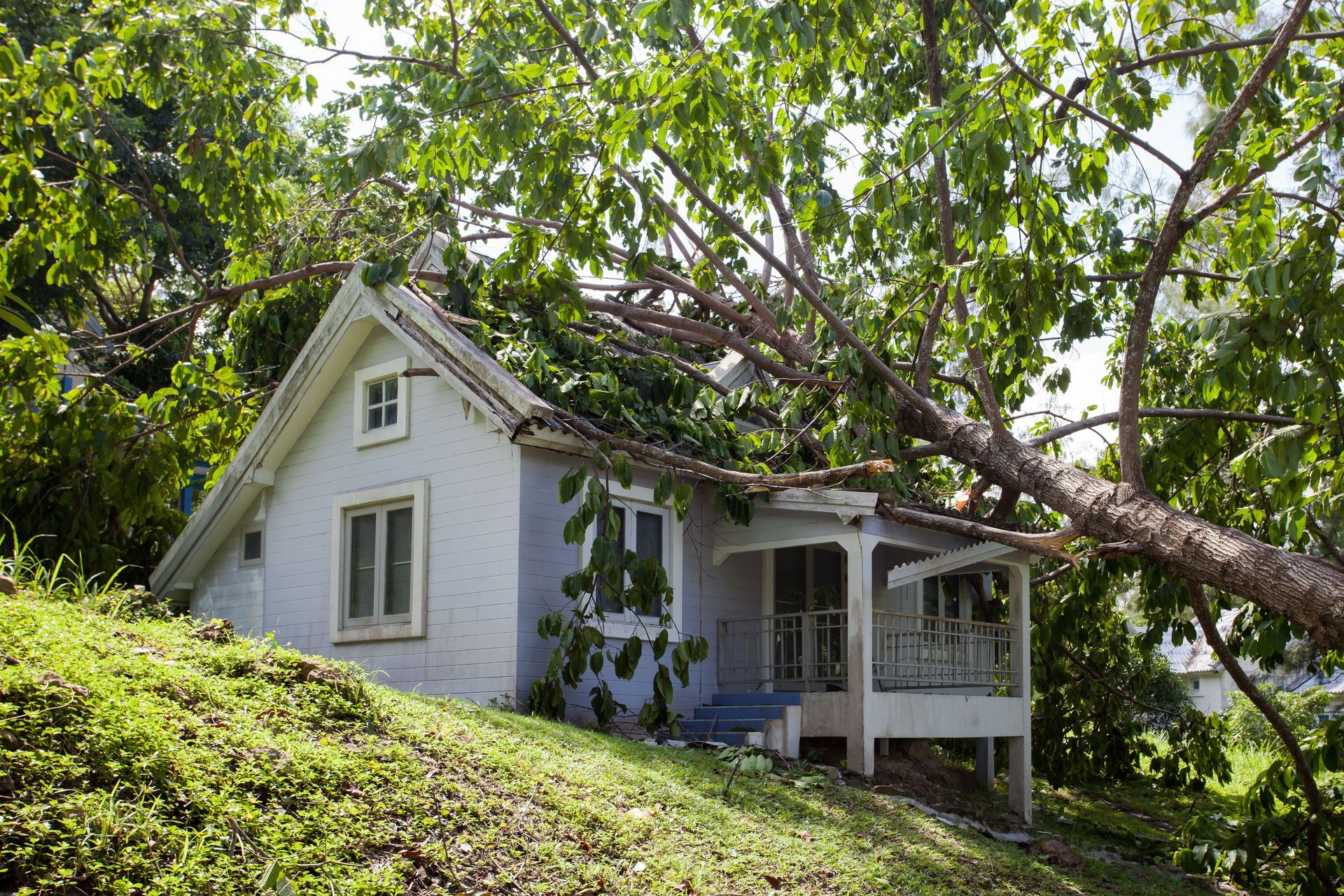
Navigating arboricultural work can initially seem daunting, given the heavy machinery, specialized equipment, and high-altitude rigging involved in the process. However, modern tree care relies on structured, highly regulated protocols designed to protect both human safety and real estate assets. When property owners know how a professional crew plans, executes, and cleans up after a major job, the entire experience becomes stress-free. Investing in structured property maintenance not only removes immediate physical hazards but also enhances overall property value, boosts neighborhood curb appeal, and fosters a safer outdoor environment for your family.
Conducting Initial Site Assessments
Preparing the work area begins immediately when a licensed tree service crew arrives at your property. Technicians conduct a thorough walk-through of the yard to evaluate tree health, structural integrity, and proximity to surrounding structures. Crew members locate underground utilities, overhead power lines, and hardscape features to map out safe equipment drop zones. Clearing away vehicles, patio furniture, and yard debris surrounding the work area is a critical step to ensure work zones remain clear. Establishing a clean perimeter protects nearby windows, vehicles, and personnel before heavy machinery is powered up.
Establishing Rigging and Safety Zones
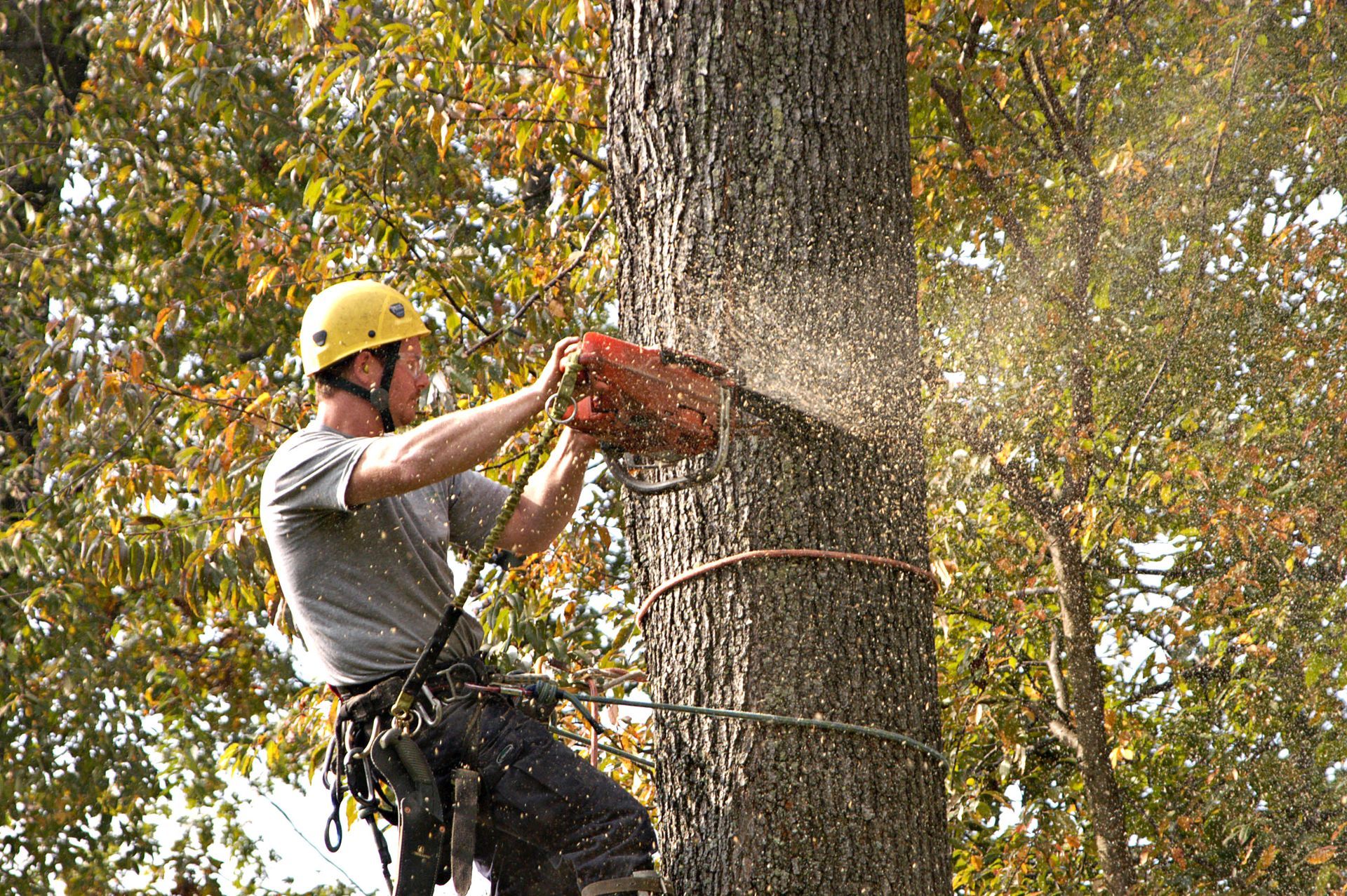
Ensuring maximum safety during complex canopy operations demands the strategic installation of heavy-duty rigging systems. Arborists climb high into the tree structure to set up high-capacity friction blocks, bull ropes, and load-bearing slings. These specialized rigging systems allow technicians to control the speed and direction of falling timber, neutralizing gravity over delicate residential structures. Surrounding lawn areas are marked off with high-visibility cones and caution tape to establish a strict exclusion zone for family members and pets. Securing the perimeter prevents unauthorized foot traffic from entering active drop zones while heavy branches are being lowered.
Deploying Specialized Heavy Machinery
Positioning aerial bucket trucks, wood chippers, and crane equipment requires technical skill, especially in tight suburban yards or near delicate flowerbeds. Professional crews utilize commercial-grade tools designed to handle heavy timber safely and efficiently. Heavy vehicles roll on specialized mats or low-impact tires designed to distribute weight evenly and minimize turf compaction. Once equipment is safely secured, technicians establish rigging lines and drop zones surrounded by protective barriers. Operating high-powered equipment through a certified tree service guarantees that machinery is handled with exact precision, ensuring complete safety across your entire lawn.
Executing Professional Tree Care Operations
Maintaining or removing dense canopy growth relies on systematic, industry-standard arboricultural techniques. Skilled climbers and technicians carefully prune dead wood, thin out overcrowded canopies, or dismantle entire trees section by section using controlled rigging systems. Each branch is lowered safely to the ground using heavy-duty ropes and friction brakes to prevent damage to surrounding property. This methodical approach eliminates structural hazards while promoting the long-term health and balance of your remaining landscape. Utilizing a professional tree service ensures every cut is executed safely and correctly.
Performing Structural Canopy Pruning
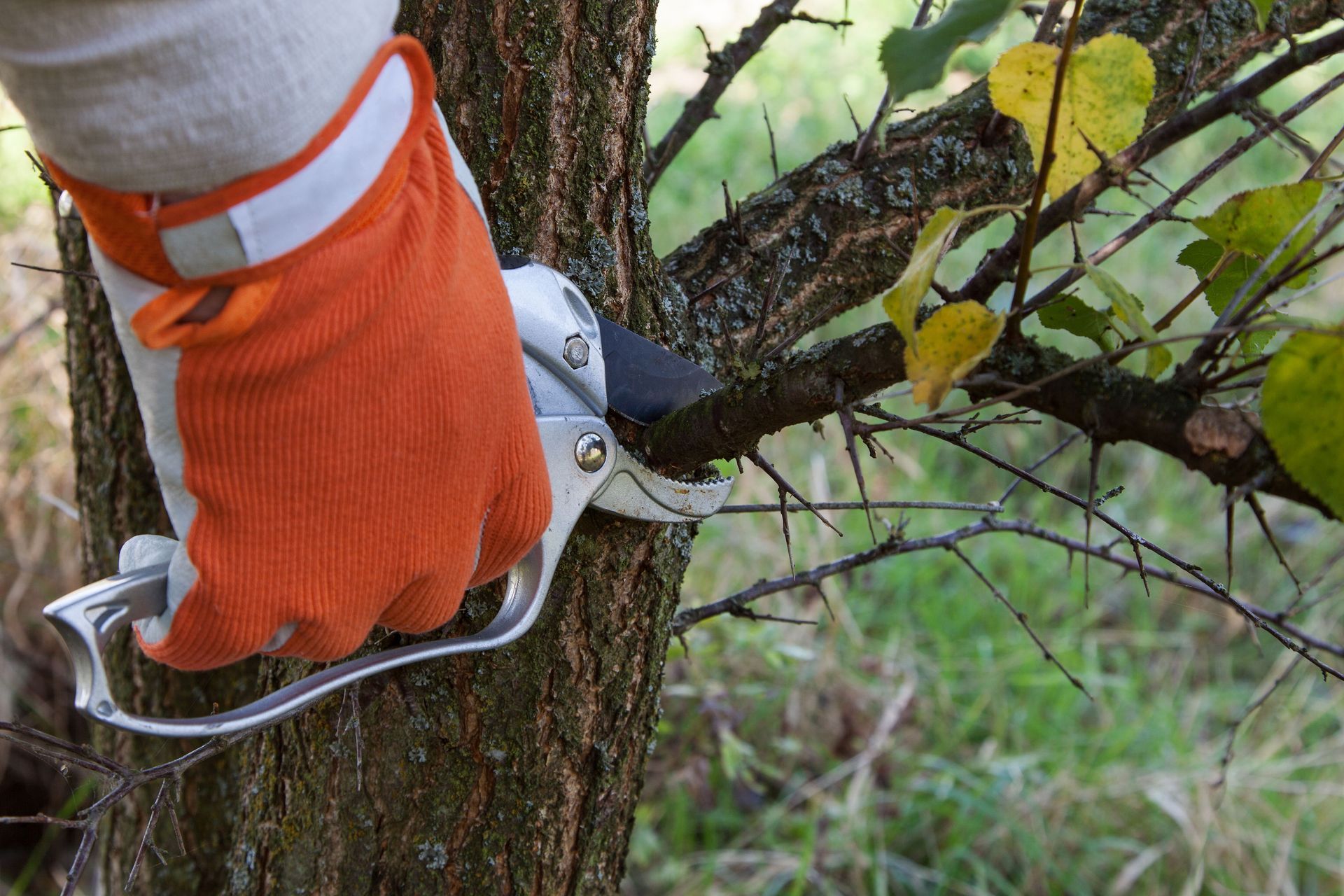
Selecting specific limbs for removal requires a deep understanding of tree biology, weight distribution, and growth habits. Technicians perform crown thinning and canopy lifting to improve airflow and allow natural sunlight to reach underlying turf grass. Dead, diseased, or rubbing branches are systematically excised using precise collar cuts that encourage natural callousing and rapid wound closure. Removing weak, co-dominant stems reduces structural stress across the main trunk, preventing sudden splitting during high-wind summer storms. Proper structural pruning maintains the natural silhouette of the tree while vastly improving its storm resilience.
Managing Subterranean Root Systems
Addressing root encroachment near hardscape features is essential for preserving driveways, sidewalks, and home foundations. Dense root plates can exert massive upward pressure over time, lifting concrete pavers and cracking foundation walls. Technicians inspect exposed root flares to determine whether selective root pruning or strategic soil aeration is required to protect nearby utilities. Isolating aggressive surface roots prevents damage to delicate lawnmower blades while maintaining sufficient structural anchorage for the tree. Evaluating root health ensures that subterranean expansion does not compromise surrounding residential infrastructure.
Processing Remaining Debris
Managing limbs, brush, and heavy timber is an essential phase of thorough property care. Fallen branches and foliage are systematically fed into commercial wood chippers, converting massive piles of brush into clean, fine wood chips. Large trunk logs are cut into manageable sections for hauling or stacked neatly for firewood, depending on the homeowner's preference. According to Bob Vila, a tree stump can take up to six months to die if you cover it with a tarp, highlighting how unmanaged tree remnants linger without complete, professional intervention. Clearing away heavy limbs immediately leaves the lawn clean, open, and hazard-free.
Eliminating Subterranean Wood Stumps
Pulverizing the remaining wood base is the ultimate step in complete land restoration following a tree removal. Commercial stump grinders utilize high-speed, carbide-tipped cutting wheels to shave the wood core down several inches below the natural soil line. This subterranean grinding pulverizes the primary root plate, preventing persistent sucker growth and eliminating breeding grounds for wood-boring pests like termites. Eliminating the physical obstruction leaves the ground level, flat, and ready for fresh sod or flowerbed installation. Completing the project through a qualified tree service guarantees that no decaying organic hazards remain buried beneath your turf.
Restoring Outdoor Living Spaces
Clearing the work area and restoring your lawn is the final step in the service process. Crews rake up small twigs, blow residual sawdust off driveways and walkways, and ensure all heavy equipment is safely loaded onto transport trailers. Homeowners can choose to retain the fresh wood chips for garden beds or have the tree service haul all organic material away from the site. Once the cleanup is complete, your property is left immaculate, safe, and ready for your family to enjoy.
Inspecting Final Property Conditions
Conducting a comprehensive post-service walkthrough ensures that every project objective was completed to the highest industry standards. The crew leader meets with the property owner to review the completed work, confirming that all targeted limbs were safely removed and drop zones are clean. Technicians inspect nearby rooflines, gutters, and lawn surfaces to guarantee no incidental debris was left behind. This final quality assurance check provides complete confidence that your landscape is secure, healthy, and visually refreshed. Open communication guarantees that the finished project aligns perfectly with your expectations.
Safeguarding Long-Term Property Value
After professional care is complete, your yard transitions from a hazardous work area into a clean, beautiful environment ready for healthy growth. Partnering with experienced tree care specialists eliminates physical strain, safety hazards, and guesswork. Taking a proactive approach to canopy health and structural stability keeps your property safe from sudden storm damage while preserving the natural beauty of your landscape for years to come.
Ultimately, ongoing care from skilled arborists is an essential component of responsible homeownership. By establishing a relationship with dependable professionals, you protect your home against unexpected structural costs and maintain a vibrant, thriving yard. To receive expert advice, precise machinery operations, and comprehensive property care, book your upcoming property evaluation with Countryside Cutters LLC.